SAPIENS
Anthropology Magazine
ENTER ARCHIVE
Announcement
After ten years of exploring humanity in all its diversity, SAPIENS has concluded its publishing chapter. While the magazine has closed, its living archive endures—open to all and preserving the many ideas, voices, and discoveries that deepen our understanding of what it means to be human.
Read the Full Statement
Featured Stories

What’s Behind the Evolution of Neanderthal Portraits
Since the 1800s, Neanderthal depictions have evolved not only with changing science but also due to social views. An archaeologist explains why visualizations of our evolutionary cousins matter.
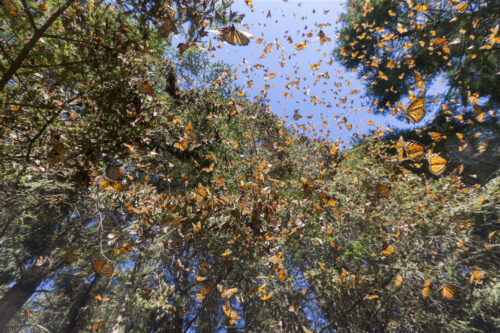
Alive in the Flapping of Infinite Orange Wings
Monarch butterflies’ epic annual migration from North America to Mexico inspires an anthropologist to reflect on this insect’s precarious life cycles through the lens of “multispecies ethnography.”
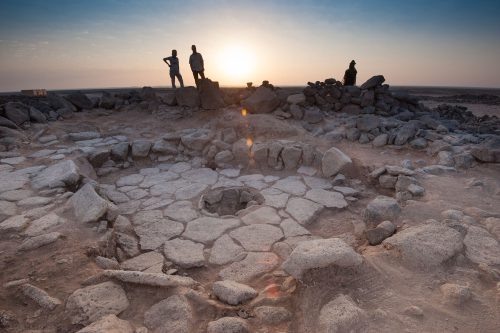
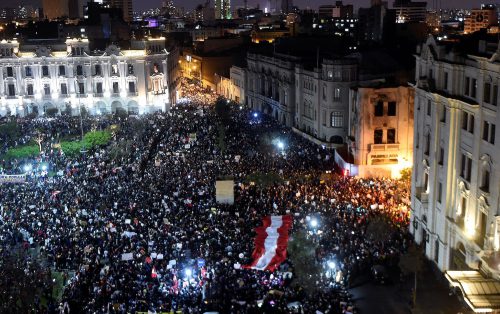
“The State” Is a Story We Tell Ourselves
After a nail-biting election that dragged on for weeks, officials have finally named Peru’s next president. An anthropologist explains the country’s recent upheavals and shows how nation-states are “ideological artifacts” that attribute morality to the amoral goings on of the government.
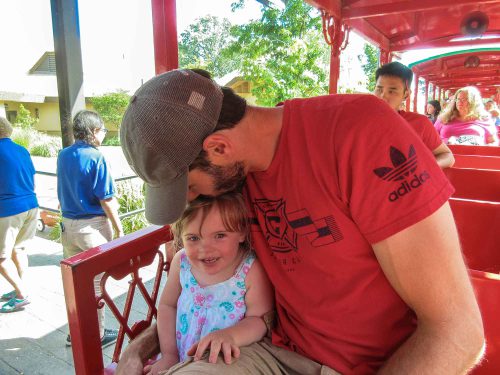
A Daughter’s Disability and a Father’s Awakening
When an anthropologist’s baby was diagnosed with Down syndrome, he was overwhelmed by emotional upheaval. Then, everything changed.
Training
This self-guided program teaches anthropologists how to write for general audiences.


in Translation
Through translation, SAPIENS brings anthropology to a wider global audience.
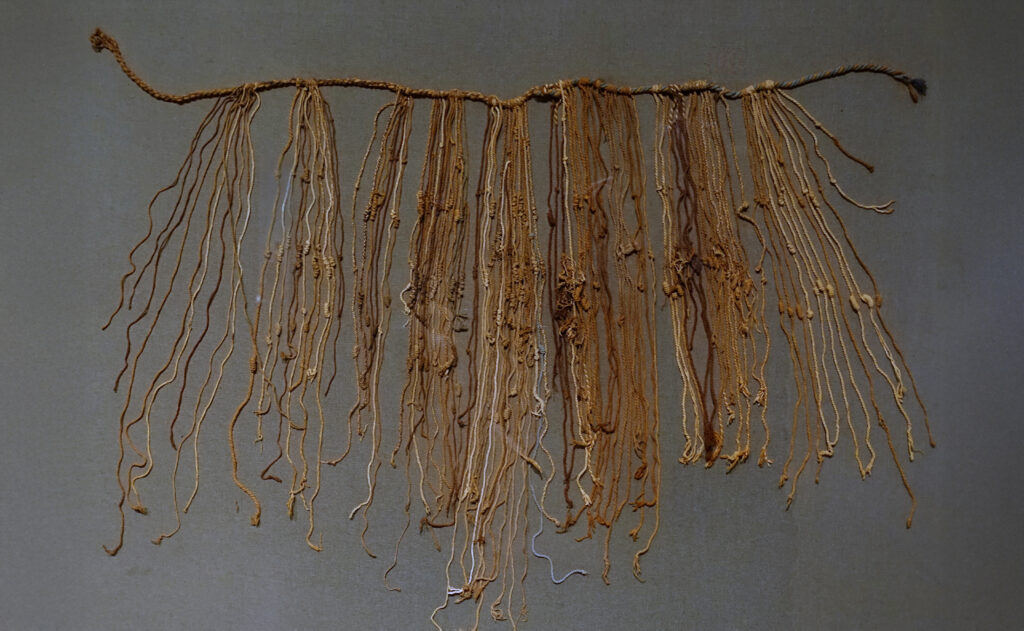
Teaching SAPIENS
Show allThese free teaching units help professors bring SAPIENS to the classroom.

Explore Anthropology
Ask SapiensThe broad field of anthropology studies everything human, focusing on what makes different people human in their own distinctive ways.
What Is Anthropology?
The broad field of anthropology is the science of humanity that studies “everything human,” focusing on what makes different people human in their own distinctive ways.
What Is Linguistic Anthropology?
Linguistic anthropologists study language in context, revealing how people’s ways of communicating and expressing themselves interact with human culture, history, politics, identity, and much more.
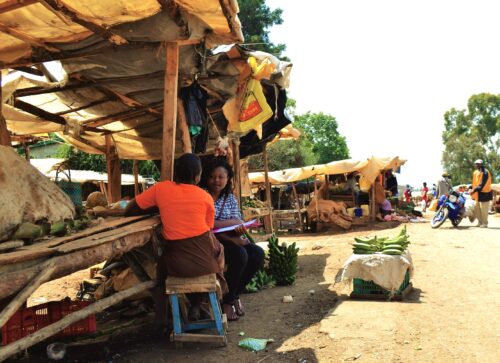
What Is Cultural Anthropology?
Cultural anthropologists seek to understand the dizzyingly diverse ways people live today, including how they think, act, create, struggle, make meaning, and organize their societies.
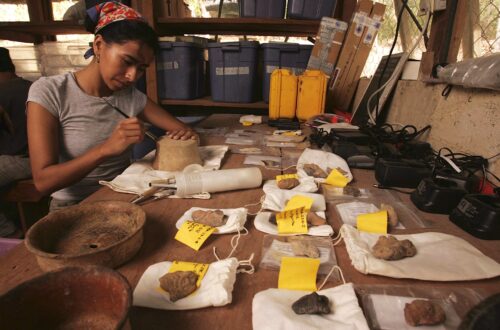
What Do Archaeologists Do?
Archaeologists use a wide variety of methods to explore a fascinating range of topics about human history, culture, and behavior. Here’s an overview of the ways archaeologists preserve heritage and how you can work in this field.
Poetry
Anthropological poems have the potential to transform ways of thinking and being in the world.

Archived Haints
SAPIENS’ 2024 poet-in-residence conjures the voices of those imprisoned in archives.
Maize and Okra
A poet-anthropologist recollects when Muscogee (Creek) people offered his formerly enslaved ancestors refuge, extending the bonds of kinship.
Window
A poet-anthropologist of the African diaspora gives voice to the power of collective memory and place.

The National Lynching Memorial Speaks to My Black ’Bama Body OR Imma Be Here Forever, You Gon’ Remember This
A SAPIENS poetry contest winner immerses themself in a new memorial dedicated to the lynching of more than 4,400 people between 1877 and 1950 in the United States.
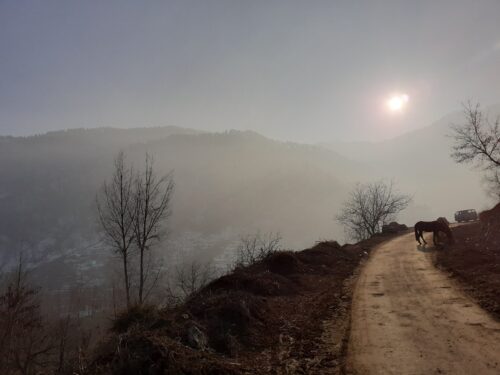
Sounding the Border
An anthropologist-poet listens to echoes of laughter and other sounds of crossings in Kashmir.
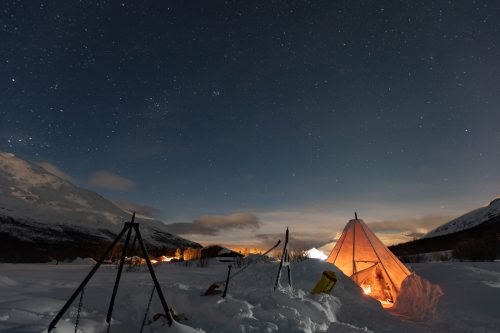
Yoik
Like smoky spirals, two cultures weave together in a SAPIENS contest-winning poem by an anthropologist who worked with Sámi reindeer herders in the Arctic Circle.
Podcast
Show allA Podcast for Everything Human speaks with anthropologists from around the globe to uncover what makes us human.





Full Archive
Explore 1,500 articles, videos, and more from anthropologists from around the world, whose research offers fresh insight into enduring questions about what it means to be human.
Sort:

Best of SAPIENS 2025
In SAPIENS’ final year of publishing new stories, the magazine honors 10 standout contributions that carried anthropology into the hearts and minds of readers worldwide.
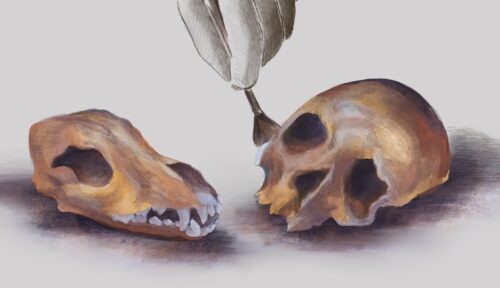
Unearthing What Archaeologists Can and Cannot Know
An archaeologist studying 1,000-year-old dog burials reflects on the need for imagination in archaeology.

Listening Against the Threshold of Pain
SAPIENS’ 2025 poet-in-residence situates her listening in Kashmir and Germany during and after her fieldwork, contextualizing her contributions to SAPIENS this year.
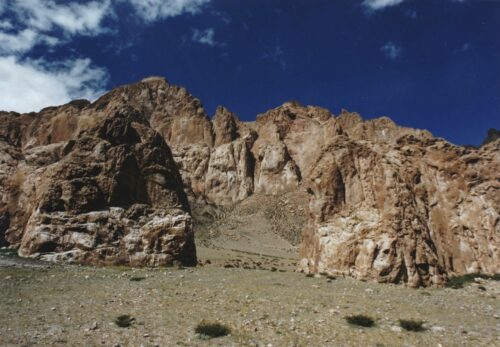
The Tomb That Told of a Women’s Kingdom
An archaeologist unspools the story of a female leader buried over 1,000 years ago on the Tibetan Plateau.
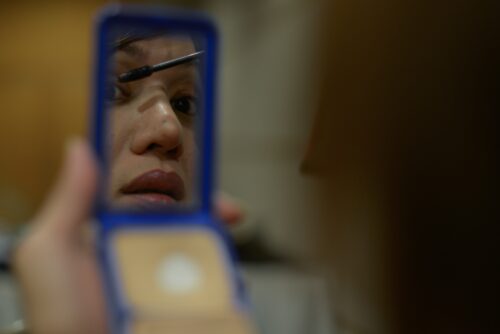
In Malaysia, Muslim Trans Women Find Their Own Paths
An anthropologist traces how transgender women navigate state-sponsored religious programs aimed at “rehabilitating” LGBTQ+ Muslims.
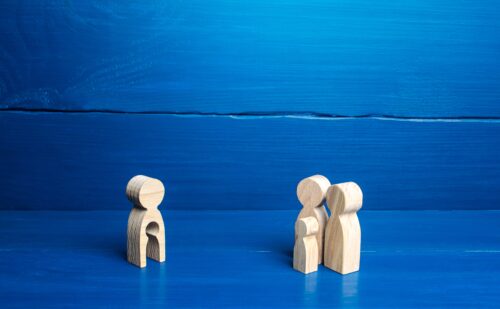
In Japan, the Philosophical Stance Against Having Children
An anthropologist delves beyond simplistic portrayals of the anti-natalist movement to understand what motivates its adherents.
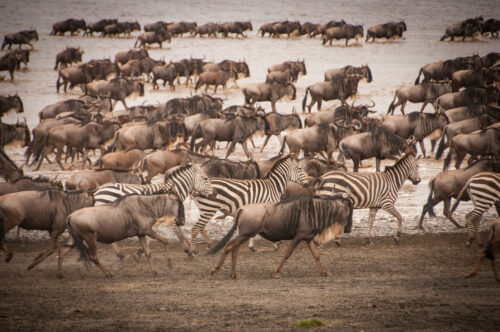
Do Africa’s Mass Animal Migrations Extend Into Deep Time?
Isotopes in fossil teeth suggest ancient animals traveled less than once thought—making researchers rethink past human societies and future conservation.
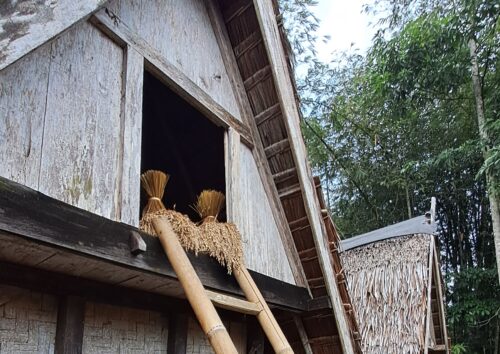
Padi Nyawa Urang
A poet and aspiring anthropologist in Indonesia reflects on the values reflected in rice cultivation in a traditional village in Lebak, Banten, Indonesia.

Connections and Conflicts With Seals in a Scottish Archipelago
An environmental anthropologist investigates deep-time, mythical, and contemporary relations between seals and Orkney Islanders.
Sounding the Border
An anthropologist-poet listens to echoes of laughter and other sounds of crossings in Kashmir.

How Bird’s Nests Become Markers of Vitality and Status
An anthropologist explores how nests made from the saliva of swiftlets—long valued within some Asian medicinal and culinary traditions—have reached a growing global market.
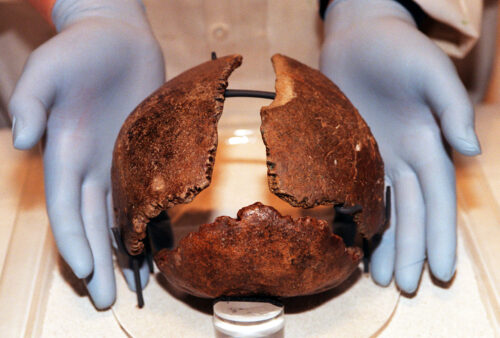
90 Years Since Its Discovery, a Stone Age Human Still Holds Lessons
A paleoanthropologist reflects on England’s oldest human cranium—and what its changing interpretations say about science.
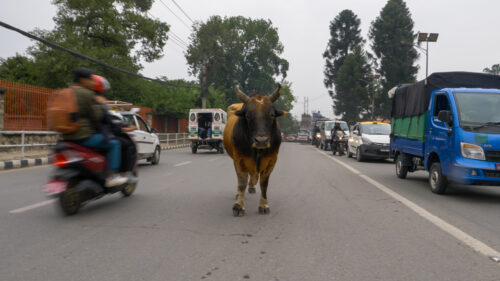
Following the Life of an Abandoned Bull in Nepal
A visual anthropologist explores how divine cattle collide with urban realities in Kathmandu, revealing contradictions between ancient values and contemporary lifeways.
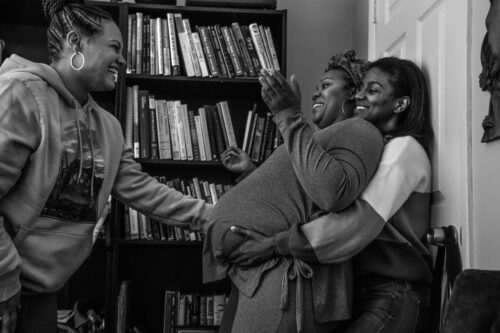
Black, Pregnant, and Always Vigilant
A former National Health Service doctor and multidisciplinary scholar explores how Black women in the U.K. manage reproductive risks and anxieties.
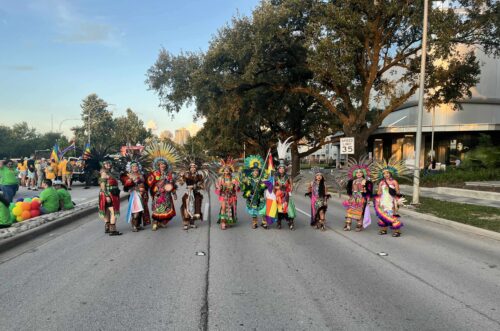
The Sacred Heartbeat at Houston Pride
An anthropologist participates in the Houston Pride Parade, offering dance, music, and prayer with others to counter intensifying oppression faced by queer and Latine communities.
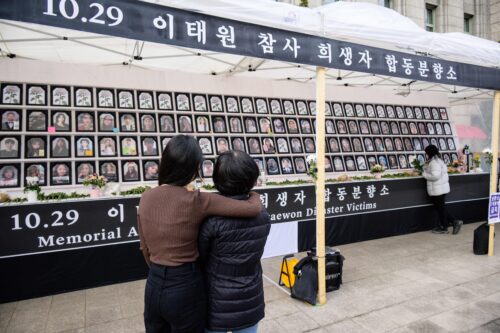
The Politics of Mourning After Itaewon
After the deadly 2022 Itaewon crowd crush, South Korea faced a failure of prevention—and mourning. A group of anthropologists explores how grief was managed, marginalized, and ultimately erased, raising questions about who we remember and why.
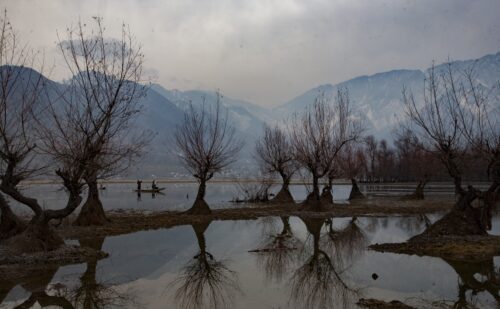
Dreamscapes of Refusal: A Chorus
SAPIENS poet-in-residence for 2025 listens to a chorus of dreams in her field recordings from Kashmir.
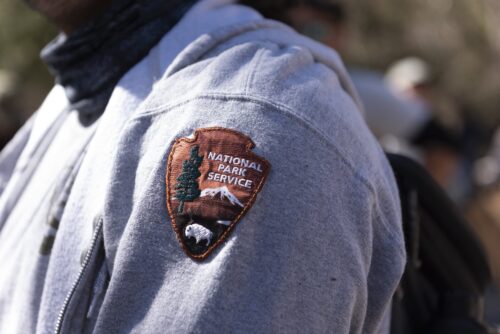
The Cost of Cutting Anthropology Out of U.S. National Parks
A former National Park Service anthropologist reflects on the vital role of cultural anthropology to the agency’s mission—and what might be lost if the Trump administration’s cuts to federal funding and staffing continue.
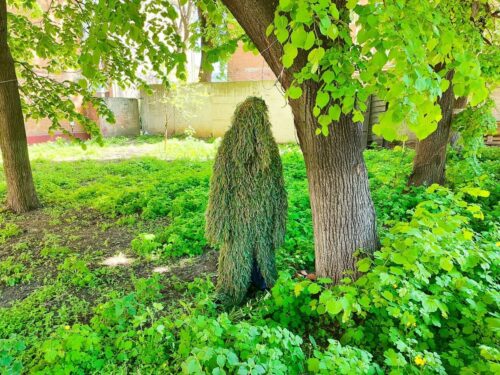
Ukrainian Volunteers Weave Camouflage and Care
Since Russia’s full-scale invasion in 2022, Ukrainians have been gathering to support the war effort by creating camouflage nets for fighters on the frontlines.
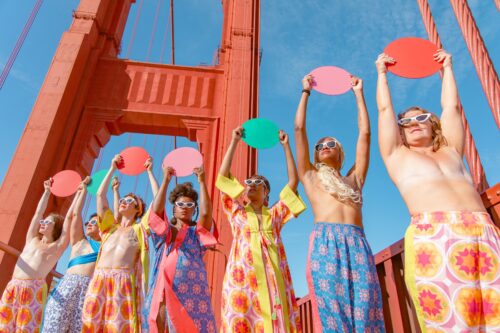
When Women Say “Ta-Ta” to Ta-Tas
An anthropologist fighting cancer navigates the social pressure to get breast reconstruction after a mastectomy.
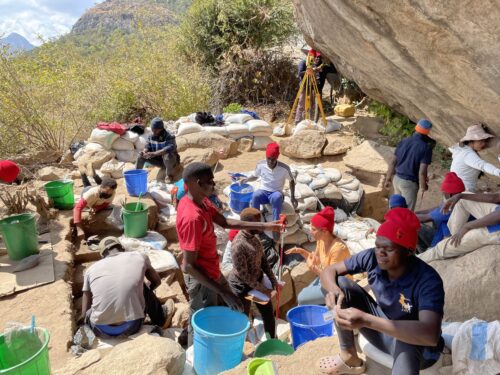
In Human Origins Research, Communities Are the Missing Link
A paleoanthropologist reflects on relationships between researchers and communities living around sites relevant to human evolution.
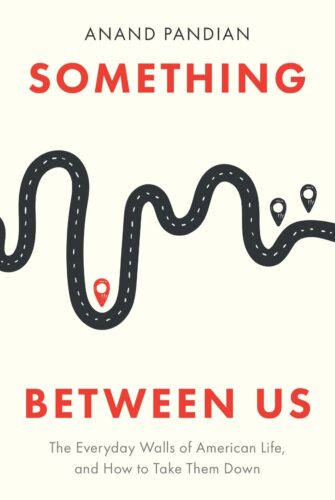
Five Questions for Anand Pandian
In this live discussion, anthropologist Anand Pandian shares insights from his timely new book, Something Between Us: The Everyday Walls of American Life, and How to Take Them Down.

Cold-Water Swimming Brings New Life to Aging Bodies
A researcher dips into life at a community pool in Cambridge, England, to find out why so many people over 60 are finding joy and pleasure in a cold-water swim.
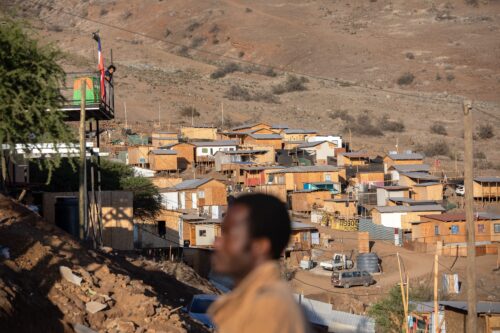
Surveillance and Suspicion From the Margins
A Venezuelan anthropologist reflects on distrust he felt from residents of informal settlements in Santiago, Chile—and how his experiences track global trends of fearing outsiders.
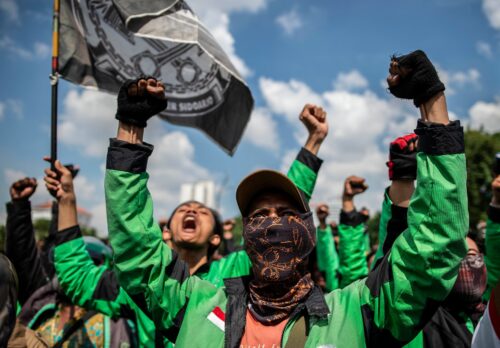
The Power of Mistrust
A group of anthropologists working in Indonesia explores how mistrust among on-demand drivers—toward companies and one another—can be a form of individual power.
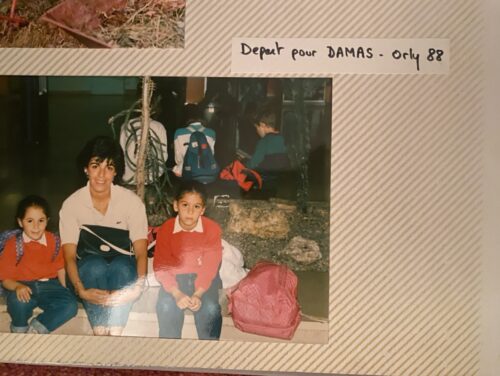
The Day I Heard My Mother’s Accent
In a personal essay, an anthropologist reflects on her family’s dual Syrian and French heritage.

The Myth of “Risk-Free” Gold
An anthropologist unpacks how colonial histories and racial and class hierarchies shape who is allowed to desire and accumulate gold today.
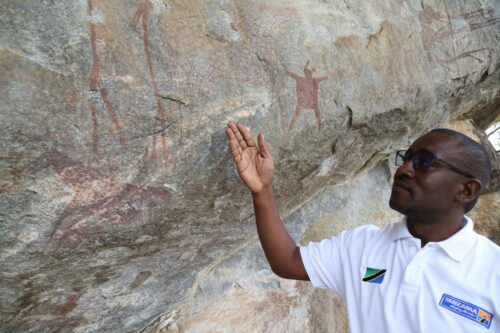
Reclaiming Tanzania’s Deep Past—Together
A U.S. archaeologist reflects on the power of community-driven research in Tanzania to include local voices and reshape how the story of human origins is told.
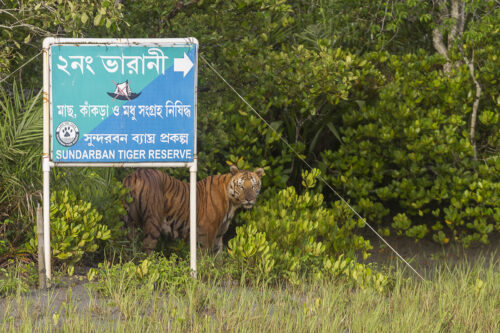
When Tiger Conservation Overlooks Human Lives
An anthropologist looks at how tiger conservation efforts in the Sundarbans region of West Bengal appear successful yet often ignore the needs and rights of forest-dwelling communities.
Five Questions for Brian Goldstone
In this live discussion, journalist and anthropologist Brian Goldstone answers questions about his searing investigation of the working unhoused—and what their stories reveal about the unraveling of the American Dream.
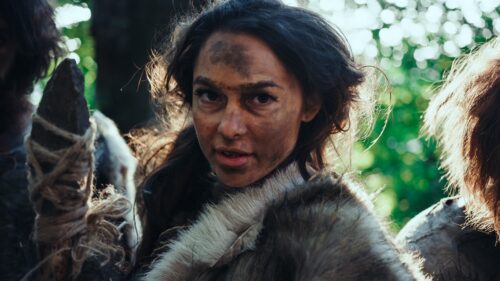
Archaeological Fiction and a Scientist’s Dilemma
An archaeologist reflects on the role of fiction, such as The Clan of the Cave Bear, to imagine the deep past—and inspire future generations of archaeologists.
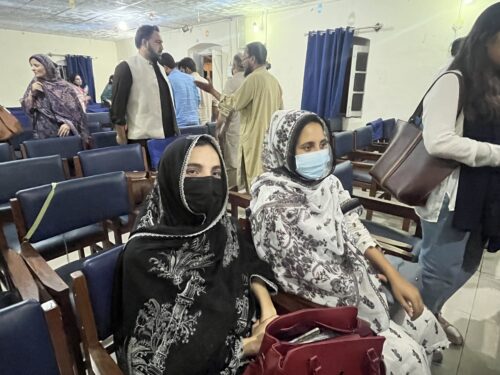
The Many Lives of a Face Mask
An anthropologist explores how the COVID-19–era surgical face mask went from a health precaution to a fashion choice among women in Peshawar, Pakistan.
