









Archaeological Fiction and a Scientist’s Dilemma
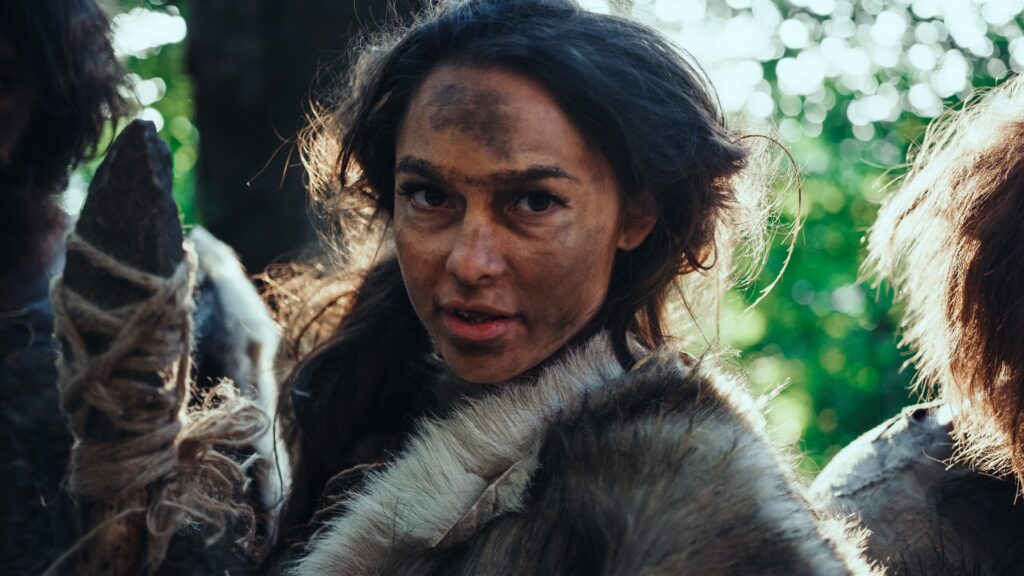
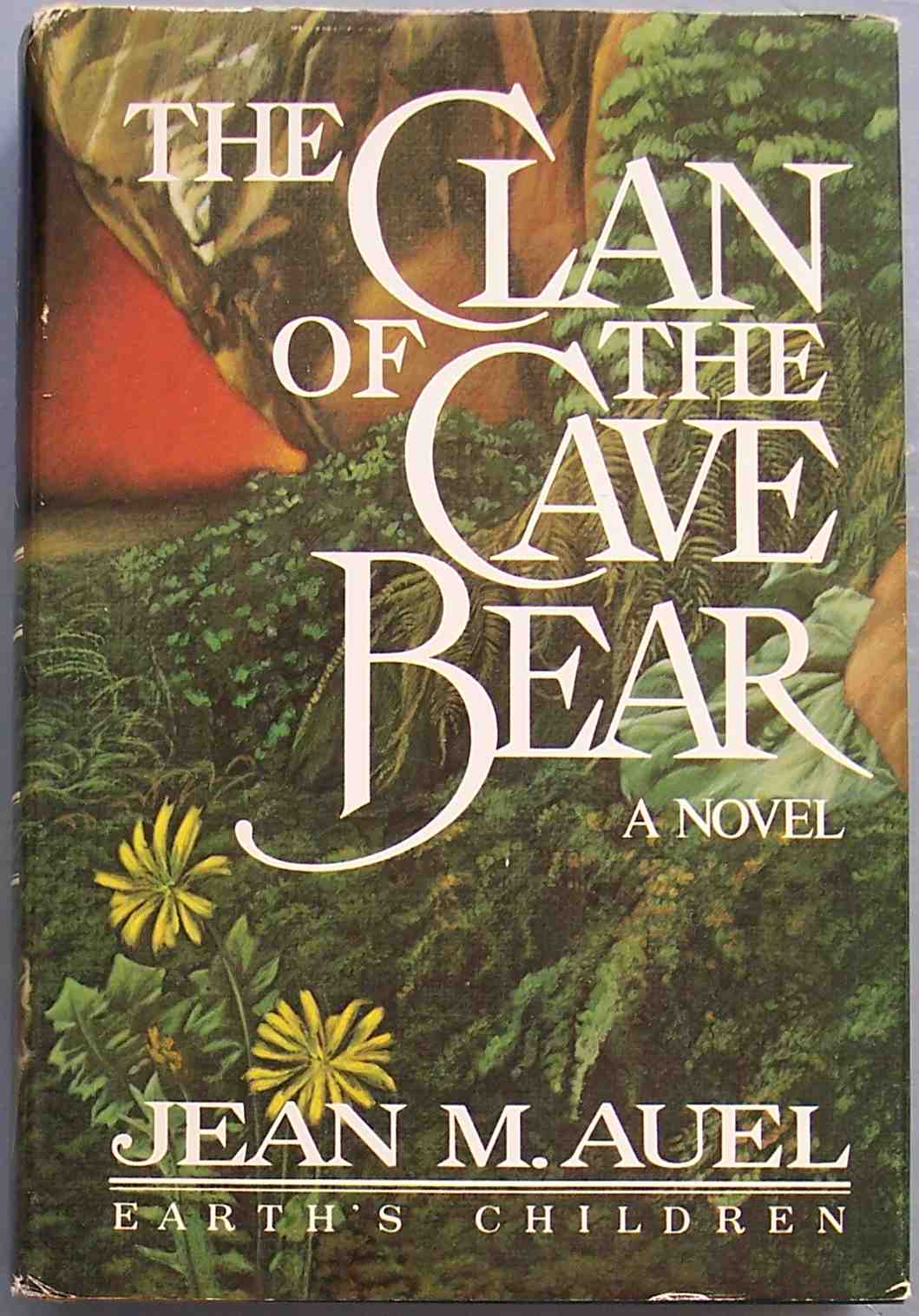
WHEN I WAS 12 YEARS OLD, a lonely, bookish child taking refuge in my local library, I pulled The Clan of the Cave Bear by Jean Auel off the shelf. I can’t remember what drew me to it—maybe its thickness; I was a precocious reader and always looking for a challenge. Whatever caused me to open it, I wasn’t expecting to be plunged into another world, one populated by unfamiliar plants and animals and even different kinds of people, all of whom really had existed at one point in the past.
I devoured it. The story of Ayla, a young human girl adopted by a group of Neanderthals, coming of age in the Pleistocene world, completely captivated me. I can’t tell you how many times I reread the book; I know it was a lot. I was obsessed. I did a book report on it for seventh grade English class. I looked up plants with medicinal properties for social studies and researched Pleistocene animal extinctions for science.
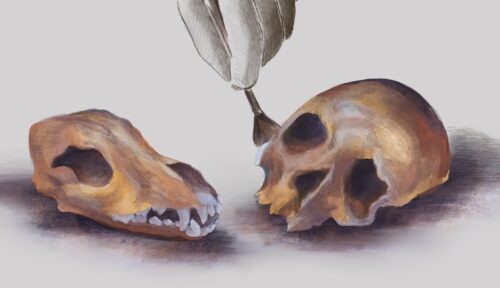
My obsession with The Clan of the Cave Bear didn’t last beyond seventh grade, but my passion for understanding past human-plant and human-animal relationships persisted. I eventually became a zooarchaeologist, a scientist who studies animal remains from ancient sites. While The Clan of the Cave Bear is not responsible for my career path, it definitely influenced it.
Jean Auel did an extensive amount of research, but her reconstruction of Neanderthal society is, necessarily, fiction. The Paleolithic archaeological record, which roughly spans 3.3 million to nearly 12,000 years ago, is incomplete enough that we as archaeologists can’t always agree on Neanderthal toolmaking strategies, let alone the details of Neanderthal social structure. What we think we know about Neanderthals is always changing.
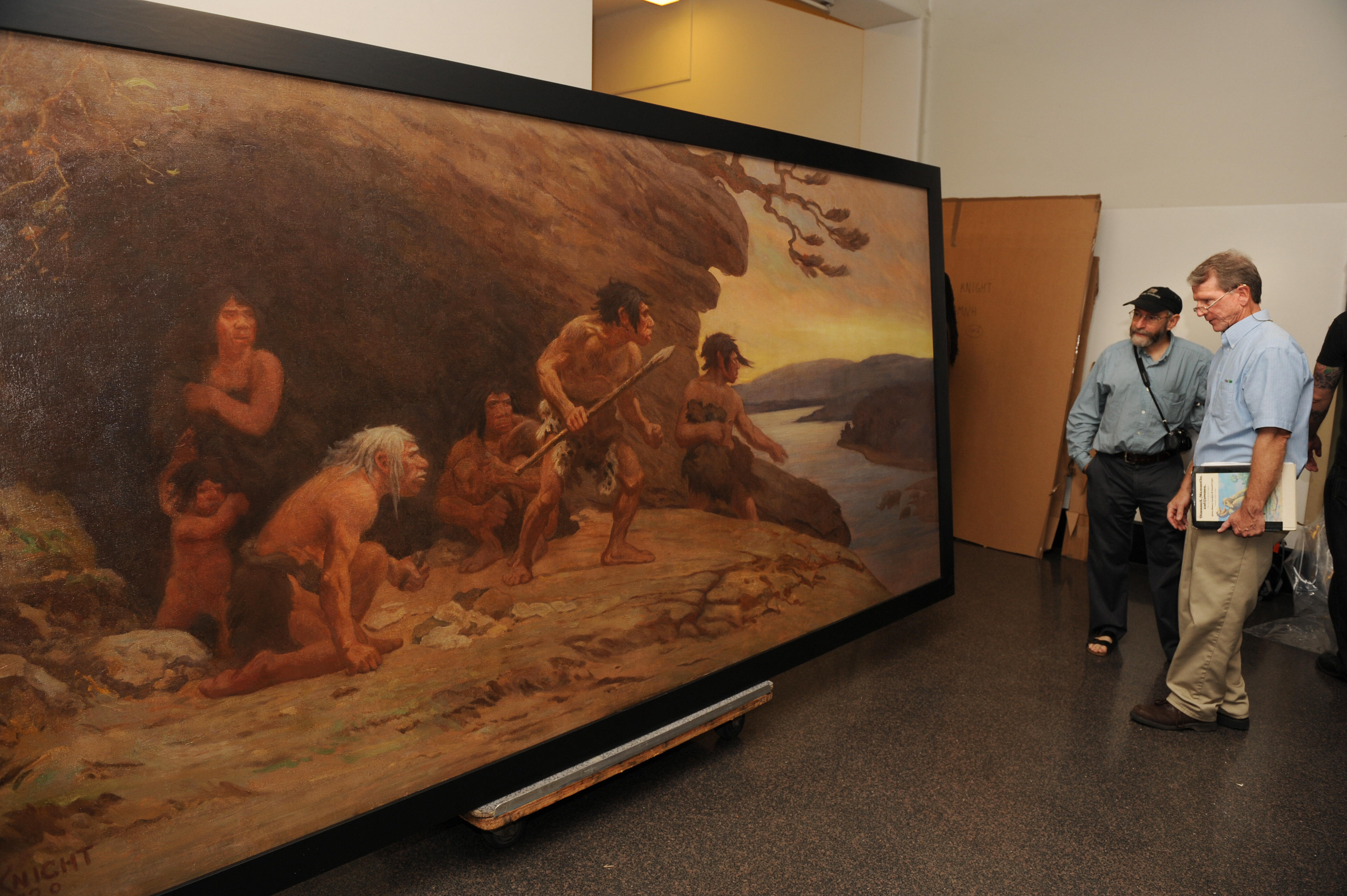
As a novelist, Auel couldn’t let scientific uncertainty get in the way of her story. Some ideas in the novel, such as Neanderthals’ lack of true spoken language, have been superseded by more recent research. Others, for example the gender roles among Auel’s Neanderthals, remain difficult to assess, but Auel’s version seems less likely now than it did in the 1970s. Yet others, like the clan’s religious practices, will always be hard to know from the archaeological record. The Clan of the Cave Bear is a novel. Still, millions of people learned about Neanderthals through this story. It had an incredibly broad impact.
Many years after I’d left my obsession with The Clan of the Cave Bear behind, I started writing a story about an event known only from the archaeological record: the transition from hunting and gathering societies to agricultural ones on Europe’s Iberian Peninsula. At the time I began writing, I was frustrated by the limits of academia and feeling like I couldn’t reach my students; I hoped writing fiction would reignite my enthusiasm. It did, but it also made me reconsider the role of fiction in archaeology.
“Introduction to Archaeology” classes routinely reference fictional archaeologist Indiana Jones, the adventurer and treasure hunter. The contrast between Jones and the life of the average archaeologist is the point, a way we engage beginning students to think about what archaeology is and what it is not.
Fiction set in the deep past, like The Clan of the Cave Bear, is rarely mentioned in introductory classes. And yet, if my undergraduate students are any indicator, such works—whether novels, video games, or other immersive media—are quite commonly what brings them to their first archaeology class. I’m not alone in having formed my first questions about the past from fiction.
Numerous archeologists have taken a turn at writing novels set in the past. Southwestern archaeologist Adolph Bandelier (The Delight Makers, first published in 1890) and the archaeologist husband-and-wife team W. Michael Gear and Kathleen O’Neal Gear (authors of the North America’s Forgotten Past series, the first volume of which was published in 1990, as well as other works) are two notable examples.
Archaeologist Brian Hayden, the author of the young adult novel The Eyes of the Leopard, argues that archaeological fiction is an impressive tool for bringing archaeology to the public: “Writing archaeological fiction … can make the minutiae of archaeology come alive,” he wrote in a 2022 article for The SAA Archaeological Record.
Why, then, are there so few professional discussions of archaeology-informed fiction? The answer, I think, relates to larger questions about imagination and its role in how we understand the past.
Children often engage in imaginative play about the past, creating a mashup of factual information and fantastical elements in the service of a story. But teachers tend to discourage this in the classroom in later years, when the focus is on the facts, not the story. Those of us who study archaeology in our training learn about hoaxes, biased interpretations, and other ways in which unsound (or sometimes just plain fabricated) data make it into the popular imagination. With generative artificial intelligence tools such as ChatGPT now in the mix (one of the telltale signs of a ChatGPT-assisted undergraduate archaeology paper is a reference to a site that doesn’t actually exist), we’re even more leery of factual inaccuracies today than we were in the past.
There’s an extra level of spiciness to concerns about mixing up fact and fiction when it comes to history too: Pseudoarcheology has a long history of being used in nationalist mythologies. Myths about archaeological sites have been used to dismiss descendant communities’ ancestral ties to place.
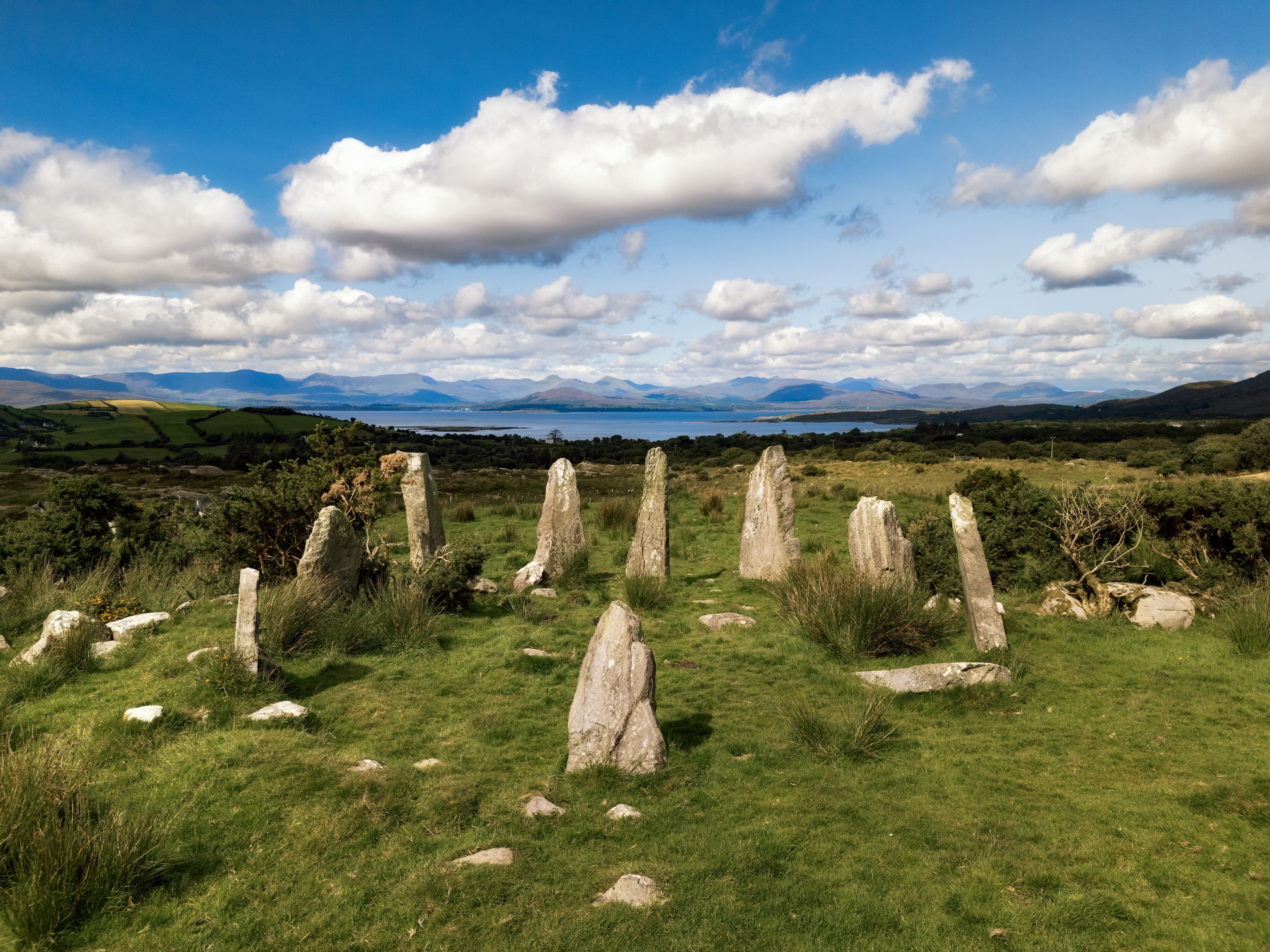
For example, the “Mound Builders myth,” perpetuated by White settlers in the 18th and 19th centuries, asserted that a lost, superior race of people created the ceremonial and burial mounds found across North America. Archaeological hoaxes frequently have their origins in nationalist movements. The “Piltdown Man” hoax, in which an English amateur archaeologist and fossil hunter claimed to have found the “missing link” between apes and humans, was an attempt to demonstrate England’s centrality to evolutionary science. Archaeological data is misused by more recent far-right nationalist movements, too, to promote racist agendas and beliefs. This is a very current problem.
So, it makes sense that many archaeologists steer clear of any positive discussion of archaeology-informed fiction. To write even the most well-grounded fiction, we have to let go of the guardrails and let our imaginations run; we can’t get hung up on uncertainties or doubts. We have to release concerns about the distinctions between fact and fiction, at least while writing the first draft. For people who have spent a career thinking about data integrity, bias, and the way in which stories about the past can be misused, this is difficult.
I, for one, found writing fiction about the past to be tremendously challenging. My identity as a professional archaeologist gives my words about the past extra weight, and I’m very aware of that. Whether I’m writing for an academic audience or a public one, when I’m speaking publicly, I work hard to make clear what I know about the past, what I don’t, and how I know the difference.
I had to let go of these concerns to write a novel. I relegated my knowledge of the Iberian Mesolithic to the background as I imagined what it would have felt like to be alive in this place and time. This process felt familiar, like the very first stages of a research project, when I’m getting ideas down without worrying about what comes next. But unlike in a research project, in writing a novel, I had to stay in this space. When I became stuck, the temptation was to dive into research to make sure all the archaeological details were correct. But when I did this, I wound up paralyzed. So, I made a rule: No fact-checking until the first draft was complete.
Imaginative play makes the past, in all its complexity, real in a way that data often can’t.
To my surprise, when I went back and read with an eye toward fact-checking, relatively little needed to change—although (as with The Clan of the Cave Bear and other archaeology-informed fiction) there is much that, while plausible enough, we can’t know from the archaeological record.
My experience made me more aware of the dangers of fictionalizing the past, but it also made me realize just how often I use my imagination when doing scientific archaeology. I can’t come up with hypotheses to test without imagining the past. Nor can I interpret findings, or communicate findings to any audience, without imagining the past. Is there a difference between these activities and fabricating data? Absolutely. But it’s a gray area.
Still, there are positives in the gray. In a 2021 article in the academic journal Advances in Archaeological Practice, archaeologist Caroline Arbuckle MacLeod argues that using video games in teaching archaeology can “help them to not only reassess more traditional interpretations but also question the validity of a single, ‘correct,’ historical or archaeological narrative.” I’ve found this to be true with fiction of all sorts.
When I teach “Introduction to Archaeology,” I have students play a game in which they trade replica artifacts, then analyze the distribution patterns; they gain deeper insights this way than they do from a lecture on trade and exchange in the archaeological record. Imaginative play makes the past, in all its complexity, real in a way that data often can’t.
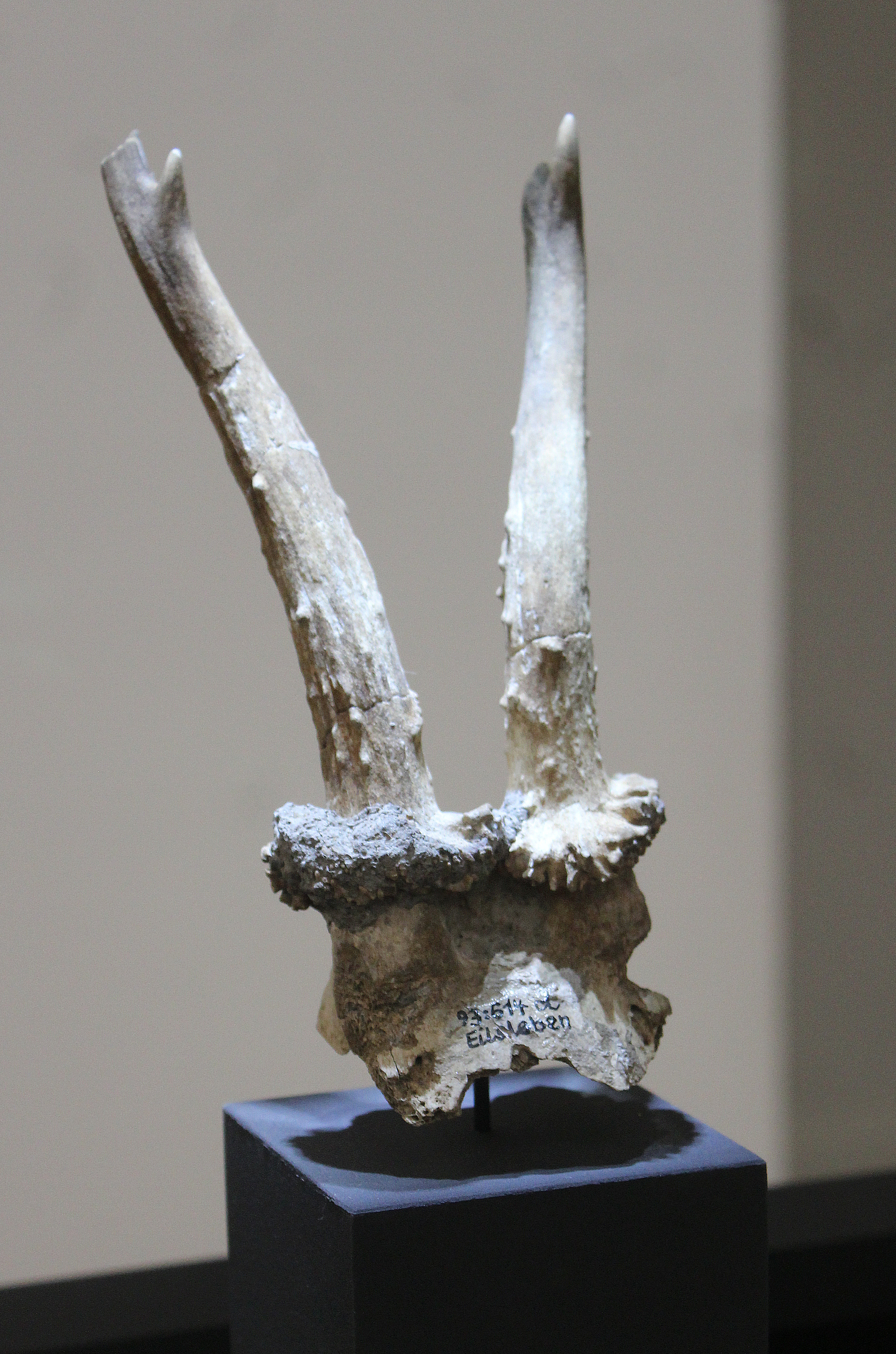
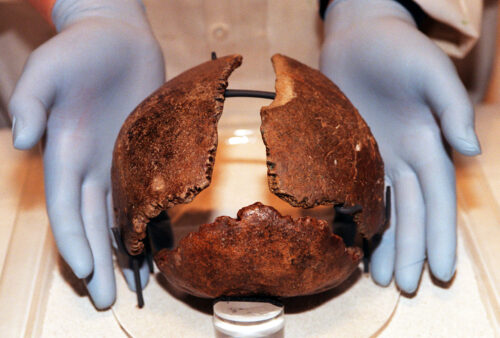
And imagination can sometimes bring us to the truth in a surprising way. In the author’s note to my book, Nahia, I wrote about encountering the Bad Dürrenberg shaman at the German State Museum of Prehistory long after I’d completed the first draft. This 30-to-40-year-old woman was buried around 9,000 years ago in Bad Durrenberg, a village in what is now Germany, accompanied by an extraordinary number of grave goods, all of which suggest that she was a religious specialist—that is, a shaman. Her life seems to have paralleled that of my novel’s main character in several ways, but I had no knowledge of this burial while I was writing. This was one of the strangest experiences I’ve ever had.
There is danger in fictionalizing the past. The present “post-truth” moment shows how easy it is for misinformation, propaganda, and conspiracy theories to thrive. Yet millions, including myself, learned to think about Neanderthals as living, breathing humans (rather than dry, dusty fossils) in reading books like The Clan of the Cave Bear. There is fiction in archaeology even when we’re not writing novels or playing games. Without imagining the past, we can’t connect to it. And without connecting to the past, we can neither learn about it nor care about it.

Emily Lena Jones is an environmental archaeologist and zooarchaeologist who studies past human-environment interactions over the longue durée. She is a professor and regents lecturer in the department of anthropology at the University of New Mexico, where she directs the zooarchaeology lab. Jones is the author of In Search of the Broad Spectrum Revolution in Paleolithic Southwest Europe and a co-editor of Questioning Rebound (with Jacob L. Fisher), as well as the author of a young adult novel, Nahia. Follow her on Instagram @emilylenajones.
