





Sounding the Border
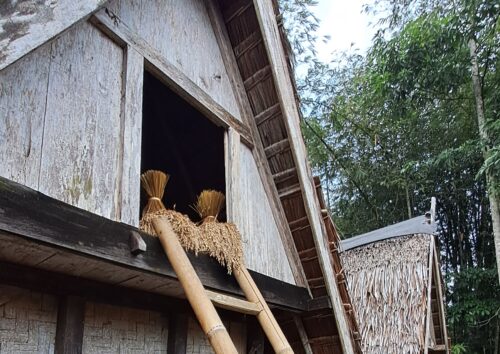
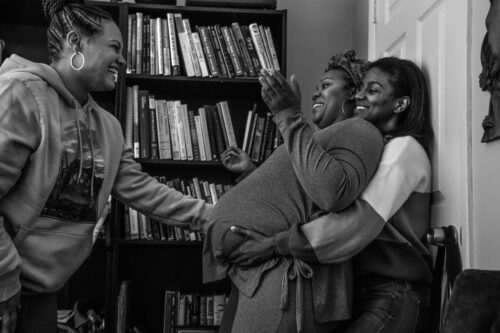
In the house once occupied by soldiers
laughter echoes
as three women sing
Yamberzal sutures a song
Banafsha, her daughter, gathers a distich
and urges her aunt, Sombul, to carry it on
[1]
[1]
Names of the interlocutors have been changed to respect their anonymity.
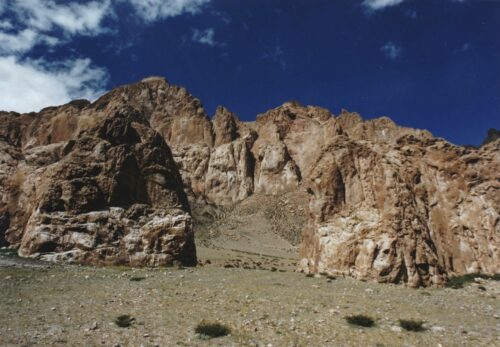
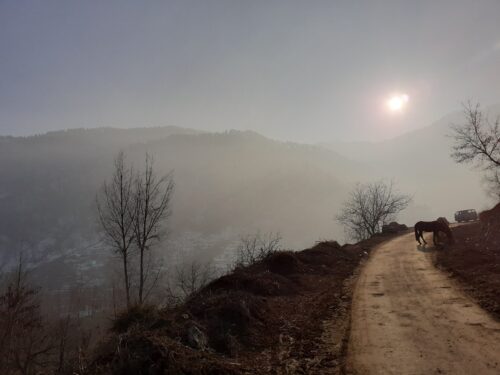
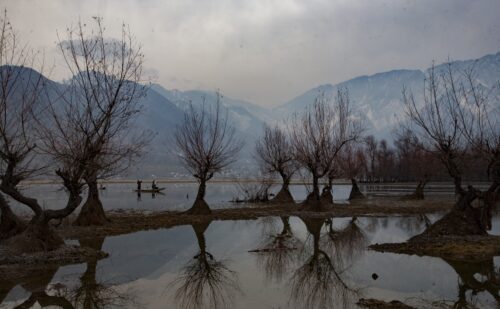
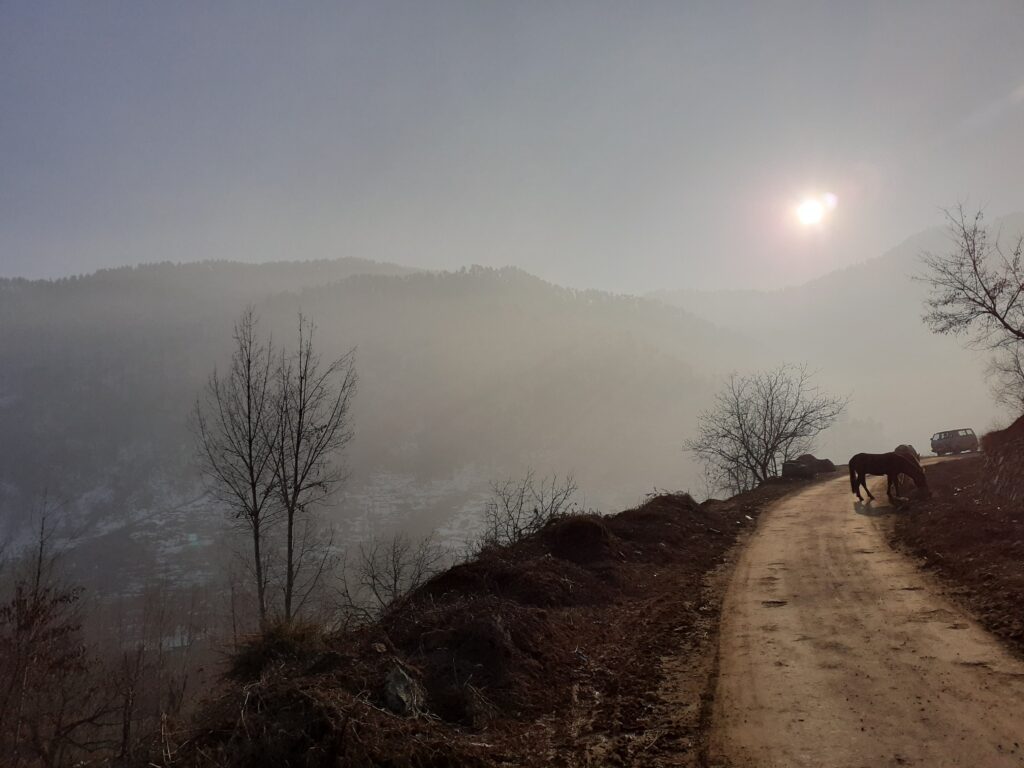
Outside, dark enfolds the mountains
thousands of stars gather in clandestine assemblages
a brook gushes inconsolably
bright yellow flowers
murmur spring’s arrival to the insurrectionary night wind
Sombul looks across the gently rising ridges
to the south, she tells me, is the lake cradling tempests
she points toward the military camp overlooking
their home, fields, apple trees
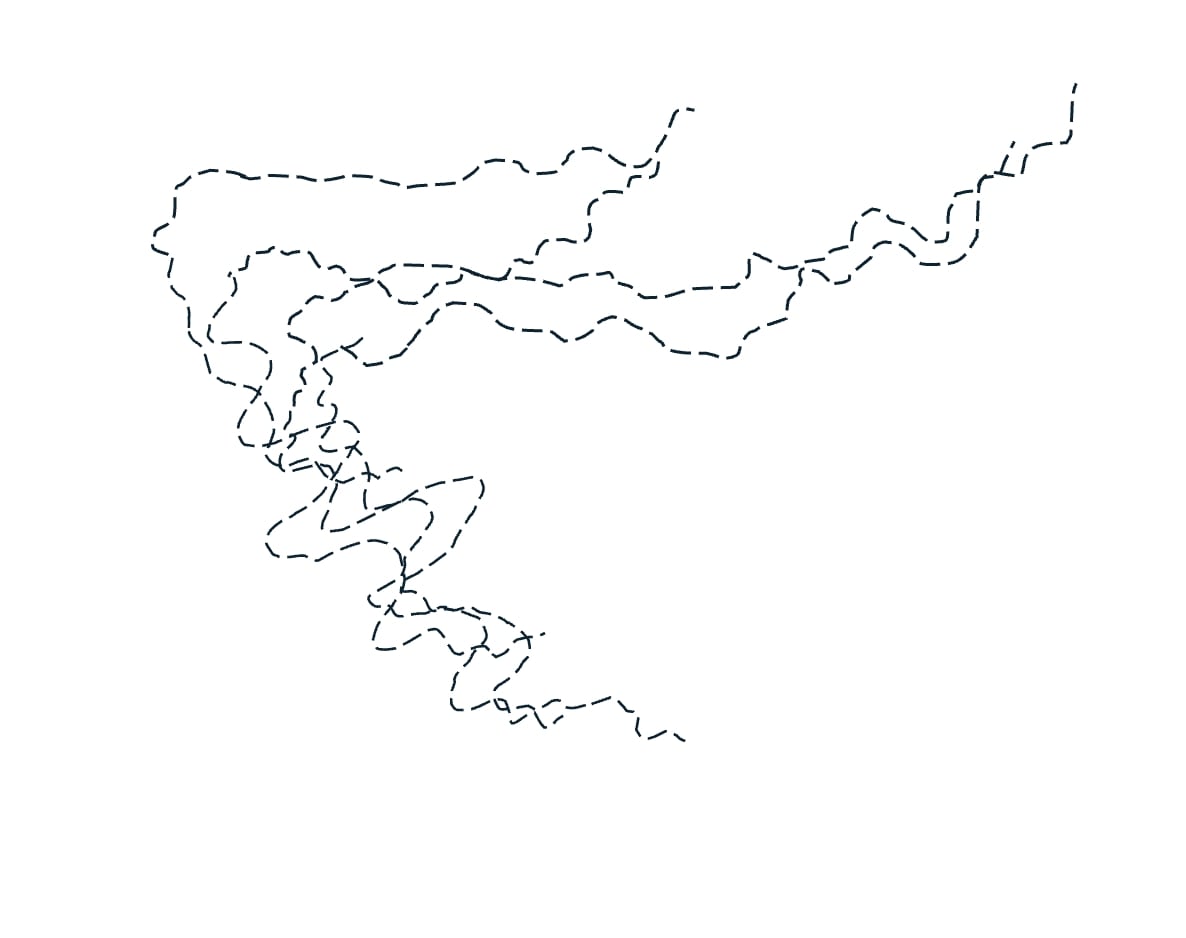
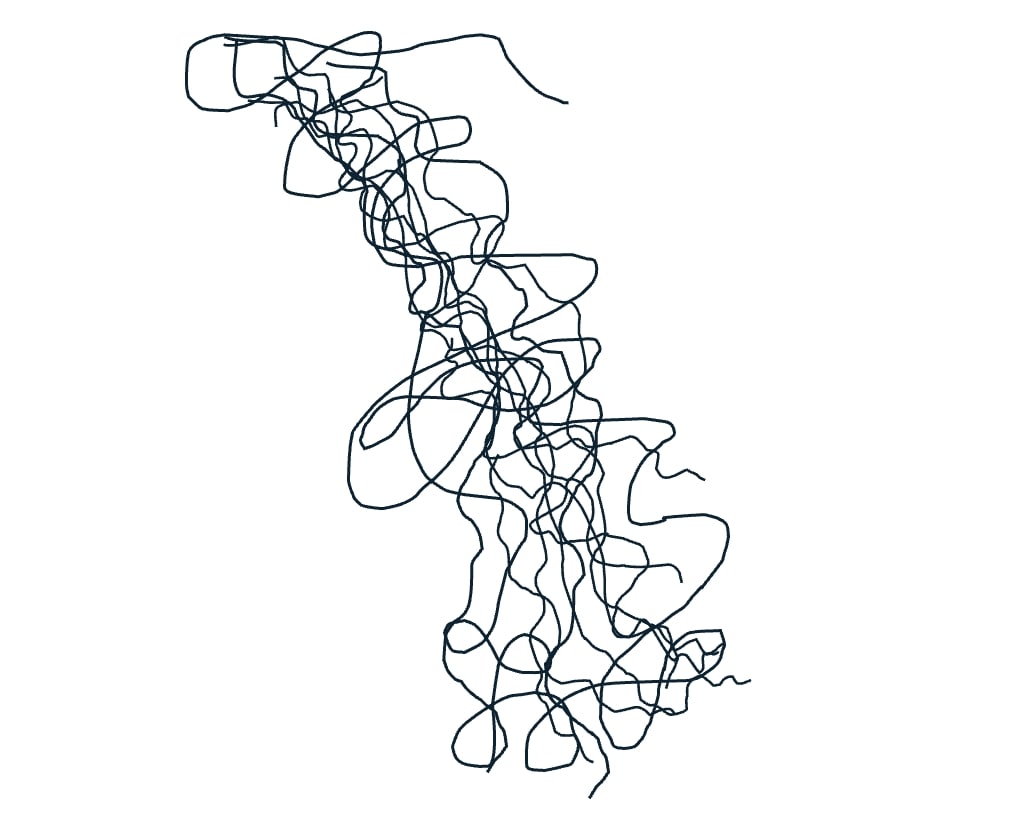
The Line of Control
traces a haphazard arc
far along the hamlet’s northern edge
toward west, it gapes like an open bracket
On a map, the Line exists as a dotted strip
a 740-km “open wound”
[2]
[2]
I borrowed this phrase from Gloria Anzaldúa’s Borderlands/La Frontera: The New Mestiza.
sundering
meadows and mountains
rivers and songs
Banafsha fetches her mother’s “sound box”
as she turns it on
voices of a wedding troupe
abruptly lash against the room
“From your wedding fabrics
we stitched a shroud
your blood-soaked garment—
who shall wash it, alas!”
Banafsha was a year and a half, she tells me,
when her father was killed—
“My father’s house was burnt down.
This house belongs to my maternal grandfather,
for three years this was an army camp”
Laughter turns to dust,
night passes in an unknown but palpable fear,
and grief spreads through the house
like a low hum
swelling in the dark
resonant through its every crevice
As dawn crawls in through door slits,
we gather again lugging the night in our hearts
snowy mountains and ridges
awash in mist
grappling with light
In her checkered pheran and turquoise scarf,
Sombul sits by the hearth
watching dying embers
The floral rug
—pallid
its blue hues stolen by time
Yamberzal reaches for her medicines
on the sill behind her bed,
a fall in the meadows
while gathering herbs has left her broken, she says,
as she enumerates the healing plants found in the nearby forests:
hand, tripater, sheel hakh, koth, kahzaban
Two friends stop by,
Banafsha initiates the recall of songs
amid rounds of tea and freshly baked bread
women gather fragments,
holding each other
along memory’s ruthless terrain
In the house—
once occupied by soldiers,
voices soar
with refrains
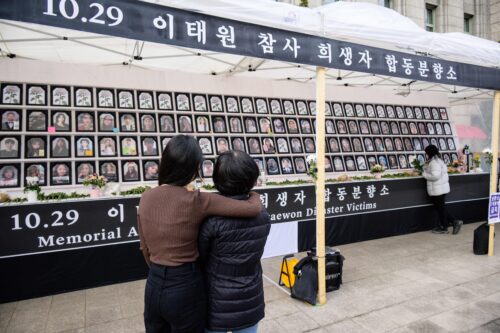
of the ungrievable dead
geographies of loss resound
place after place
a roll call of the dead
refrain after refrain—
those who died near the border
[3]
[3]
The Line of Control is a de facto border between India and Pakistan, even though not an internationally recognized “border” between Indian and Pakistan. The use of the word “border” by my interlocutors—embedded in Kashmir’s everyday political lexicon—is an index of conditions of intense militarization and increasing securitization and surveillance.
those who crossed never to return:
Rasheed, Nabb’e Kak, Javaid, Manzoor, Zahoor,
Gulzar, Rahman, Bayt’e, Magg’e Maam, Latif, Sadaam …
“Rasheed was my paternal cousin,” Banafsha interjects—
“Manzoor was my nephew. Sadaam was also from here,” Sombul says—
“If we sing the names of all those we have lost,
night will descend and our song shall remain incomplete”
In each of their songs,
I listen to time’s severance
—an almostness
“These songs shall journey far away—across times,” Yamberzal
murmurs, pointing toward my recorder
To sound the border is to sound ongoing colonialisms
to sound the border is to sound cartography as empire’s theater
to sound the land broken
choked with shrapnel and landmines
sundered by military camps, watchtowers, concertina
corpses scattered across breathtaking landscapes
to sound the border is to sound the debris of war
to sound the border is to sound severance
belonging and dispossession
a multitude of lifeforms
deathworlds
to sound the border is to sound mortar shells striking against the mountains
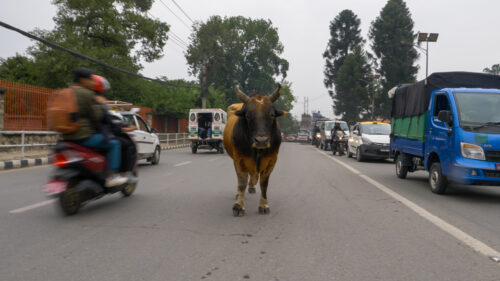
cattle crossing over the Line
donkeys blown to smithereens as they stray into landmines
to sound the border is to bury your books, diaries, and photographs
to gather bones and clothes
to sing in a room of broken panes and acrid tear gas smoke—
Who fettered the border in razor wire?
At your abode I wait
to sound the border is to sound waiting
to dwell in suspension
to sound the border is to sound its incompleteness
to sound the border is to sound fugitivity and liberation
to sound the border is to sing it as zulm ki lakeer
[4]
[4]
This phrase, which literally translates to “line of oppression,” is from a song I recorded in Kashmir’s Lolab in 2013.
to sound the border is to sound thousands of sutures
to sound the border is to sound the in-between and the nowhere
impassibility and return
to sound the border is to cross over and over—
not as aberrations or violations
but as ordinary meanderings and wayfindings
to sound the border is to listen to sound trespassing—
azaan drifting across
[5]
[5]
Azaan (also adhan) is the Islamic call to prayer. Calling believers to worship, it announces the five obligatory daily prayers. Recited in Arabic, it is delivered by the muezzin from the mosque.
sound leaking
to sound the border is to listen to
laughter echoing
in the house
once occupied by soldiers

Uzma Falak was born and raised in Srinagar, Kashmir. She is a doctoral student in anthropology at the University of Heidelberg and a lecturer at the University of Tübingen. Her academic work, poetry, essays, and reportage have appeared in several publications, such as English Language Notes, Anthropology and Humanism, The Baffler, and collections such as Poetry as Evidence, Insurgent Feminisms: Writing War, Can You Hear Kashmiri Women Speak?, among others. In 2017, she won an honorable mention in the Society for Humanistic Anthropology’s Ethnographic Poetry Award. Her writings, visual and sound work have been showcased at several galleries, festivals, universities, and theaters such as the Tate Modern Exchange, Rizq Art Initiative, Art Gallery of Guelph, Rice Cinema, among others. Recently, she was an artist-in-residence at Melbourne’s Liquid Architecture as part of the cohort Capture All: A Sonic Investigation, focused on exploring sound/listening as resources of power, capture, and extraction. Falak is the 2025 SAPIENS digital poet-in-resident.
