













To Raise Children, We Must First Raise Parents
Bebuna, a woman in her 60s, sits in front of her hut breastfeeding her granddaughter. I had never seen an older woman nursing and—even as an evolutionary anthropologist—didn’t realize it was biologically possible.
“Are you producing milk?” I asked.
Bebuna squeezed her breast, and white droplets appeared.
It turns out that lactating people can produce milk indefinitely, as long as they continue breastfeeding baby after baby. Bebuna has been doing just that for decades, as a midwife and caregiver to many children in her community.
Bebuna is a member of the BaYaka, a collective name for several forest-living forager groups west of the Congo River. [1] [1] The prefix “ba” is for the plural, indicating many Yaka people. Her community lives in the northern Republic of Congo and speaks the Mbendjele language. In 2013, I began visiting Mbendjele BaYaka camps to research how people learn from others in a hunter-gatherer society.
Fast forward a decade. I’m in London on a cold February night. My newborn in my arms. Tears in my eyes.
How could breastfeeding be so hard? Why does he cry all the time? If caring for a baby is central to passing on genes, why is it overwhelming? I wonder what went wrong with evolution.
It struck me how little I knew about parenting.
There are countless ways to raise children, shaped by cultural traditions or, in more individualistic societies, by personal choices among various parenting philosophies. All approaches bring benefits and challenges. But community-oriented cultures like the BaYaka get at least one thing right: Parenting should not be learned in isolation or all at once—it is a lifelong process embedded in daily life long before one has a child and long after.
Unlike me, the BaYaka learn to parent before they become parents.
LIVING WITH THE BAYAKA
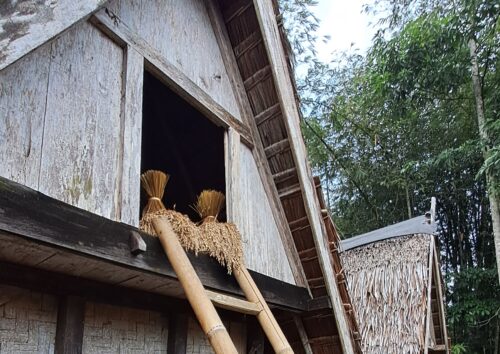
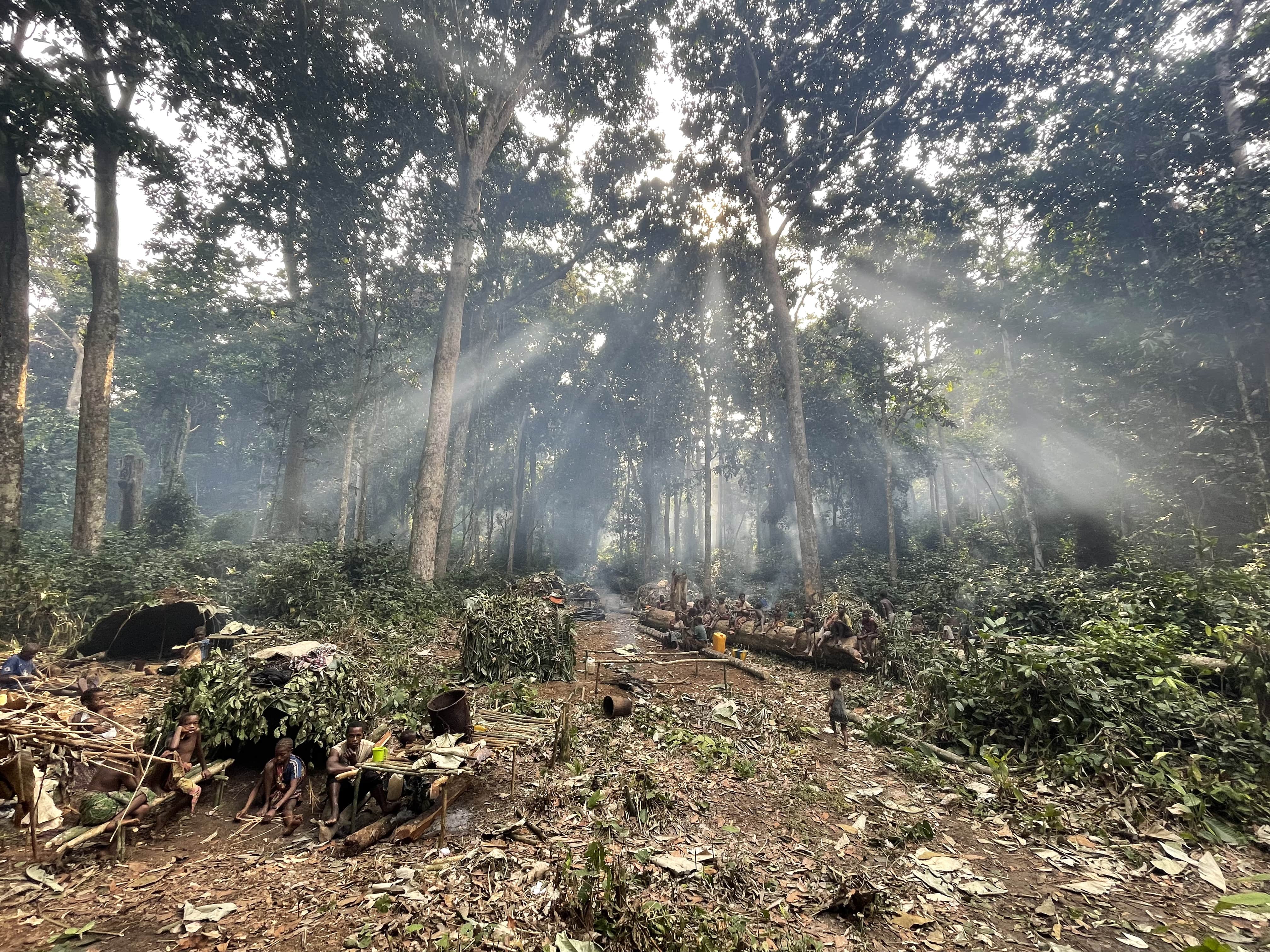
The largest population of hunter-gatherers in the world, an estimated 920,000 people from diverse forest forager groups, including the BaYaka, live across Central Africa. The BaYaka reside in campsites, with huts built from branches and leaves. Each camp typically has 40–60 people, though larger settlements exist. As foragers, they obtain most of their food from wild plants and animals. They also trade forest resources for commercial goods with neighboring Bantu farmers.
When the team of researchers I work with settles into a new camp, we meet with the community to explain our research, discuss mutual interests, and obtain informed consent. Then, we go hut to hut, documenting who lives where and with whom, gathering genealogies to understand relationships and household structures.
For BaYaka and researchers alike, days start early. Soon after first light, most BaYaka women head into the forest to gather wild yams, leaves, and nuts, or catch fish. Men, who often hunt at night, check their wire traps during the day. Children might stay in camp, play in the forest, follow adults, or even form their own foraging groups.
In the late afternoon, as people return to camp, voices rise into the forest canopy. Families gather to prepare and eat their catch. Smoke from freshly lit fires drifts, blurring the scene like an oil painting.
We researchers hang our damp clothes above slow-burning fire, knowing our garments will never fully dry. At night, we fall asleep to the eerie lullabies of tree hyrax screams—or stay awake, clapping alongside women, waiting for the forest spirits to enter the camp.
CHILDREN CARING FOR CHILDREN
After we’ve collected the core anthropological data, team members pursue various research questions. My colleague and friend, Nikhil “Nik” Chaudhary, studies infant care. In one study, across three months, each day he followed a different 0 to 4-year-old, recording their interactions with caregivers every 30 seconds. In another, our team used wearable proximity sensors to map out which individuals spent the most time near young children.
Among both babies under 1.5 years and children aged 1.5–4, around 40 percent of their close care, including holding and physical contact, was provided by “allomothers”—caregivers other than the biological mother. On average, each child had 14 people within arm’s reach throughout the day.
Any BaYaka child had more practice parenting than I did as a new mother.
Mothers responded to just under half of all crying bouts. Allomothers soothed the rest—over 40 percent on their own, the remainder alongside the mother. Soothing often meant drumming on the child’s back or yodeling to gently calm the child.
And who were these allomothers? Mostly, other children. These young helpers were more involved, collectively, than fathers or grandmothers.
Looking beyond the BaYaka, we found a similar pattern among Agta foragers in the Philippines, as have other studies shown among the Efé of the Congo Basin and Hadza of East Africa. Across many hunter-gather societies, children often receive more care from other kids than from adults.
That pattern differs starkly from what many people experience in cities across Europe and the U.S. All caregiving can rest on the parents. And fathers or other non-birthing parents may return to work just a couple of weeks after their baby’s birth. This leaves the birthing parent as the sole caregiver.
PARENTING PRACTICE
Although my parents live 1,500 miles from London in Turkey, my partner and I were fortunate enough to have them visit for a few months after our son, Eren, was born. Still, I struggled because I had no experience caring for an infant. I grew up as an only child with just one cousin. My childhood friends were mostly my age, and the formal schooling system reinforced this age segregation.
Any BaYaka child had more practice parenting than I did as a new mother.
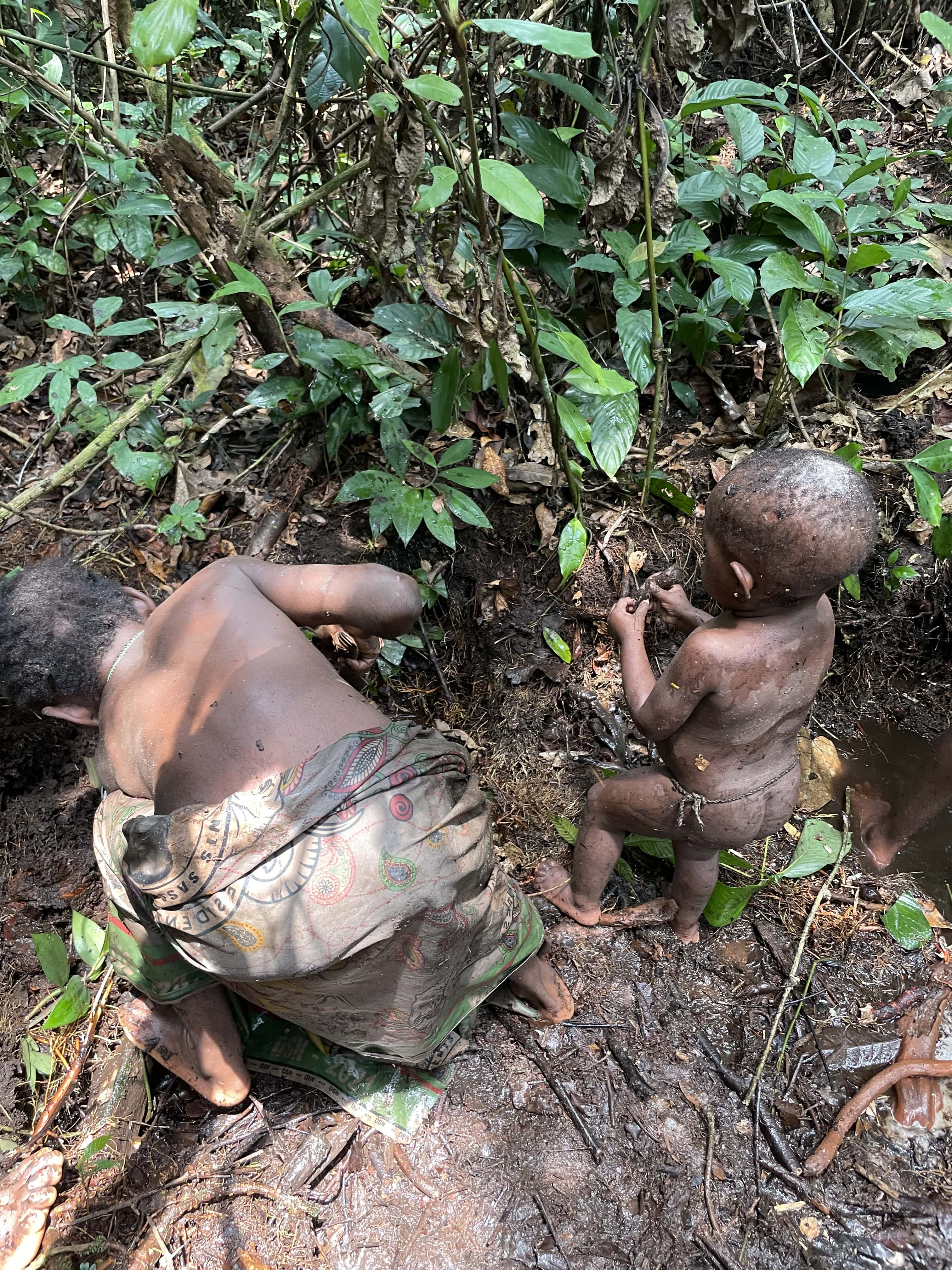
I’ve watched young BaYaka girls, toting tots, trek under the dense forest canopy and wade through swampy streams in search of fish. Hacking at the ground with machetes, they surface wild yams, which they haul back to camp. The accompanying babies and toddlers learn foraging skills by observing and imitating these older children. At the same time, the older children learn parenting skills by watching over the youngsters, long before having babies of their own.
The older children also help mothers achieve what people in capitalist societies might call work-life balance: When BaYaka women forage with nursing infants, they gather more food if 4–7-year-olds are present because the kids often carry or play with the babies. Similarly, among the Agta, children-only playgroups ease child care duties for adults.
These experiences also provide future parents with realistic expectations about childrearing. I, on the other hand, had delusional expectations: that maternal instincts would kick in immediately and I’d spend my precious maternity leave reading books and brainstorming research ideas in cafés while my baby slept peacefully.
ways to Raise little ones
On my first day of motherhood, I held my screaming newborn in a hospital ward. Kind nurses, each living in the United Kingdom but from different cultural backgrounds, offered conflicting advice. Over the following weeks, health care providers, friends, and family bombarded me with different takes on formula feeding, tongue ties, co-sleeping, and more.
I later learned this confusion wasn’t unusual. In the U.K., even guidance from nurses and midwives who provide home visits to new parents doesn’t reliably predict how long mothers breastfeed—partly because the advice can be inconsistent or outdated. In a multicultural city like London, there are no established norms around childrearing. Most parents must wade through a sea of opinions and research studies to make basic care decisions.
By contrast, in societies like the BaYaka’s, there’s a set way to raise children. For example, BaYaka babies sleep with their parents until adolescence—no one debates whether co-sleeping is safe. (For those interested, here is research-informed information on co-sleeping.) These cultural norms eliminate the burden of decision-making.
But rigid childrearing traditions can also cause harm. “Incorrect” information can be passed down through generations. Take colostrum—the nutrient- and antibody-rich first milk produced after birth. In many societies, including the BaYaka and Himba herders of Southern Africa, people view colostrum as dirty and withhold it from the newborns it could nourish.
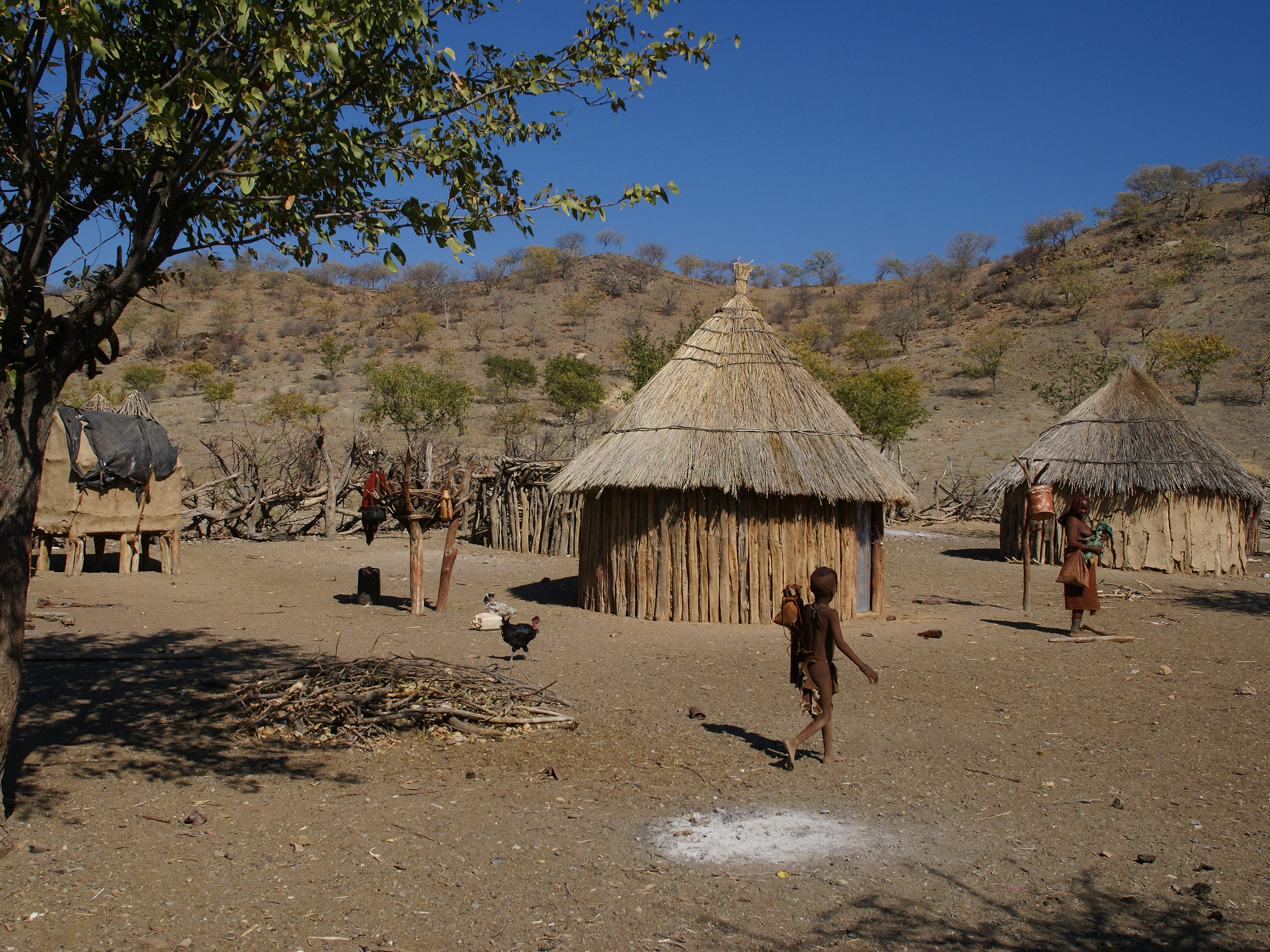
The consequences of traditional childrearing practices can be complex, sometimes offering valuable knowledge—such as the use of medicinal plants—while at other times contributing to maternal and infant health risks. Child and maternal mortality remain high in contemporary hunter-gatherer populations. Last year, I received devastating news: A BaYaka community member, whom I had known since childhood and who had a thriving 1-year-old, died during pregnancy—likely due to an infection—along with her unborn child.
Such tragedies are not rare. Research shows that 14 percent of Agta adult female deaths result from childbirth complications, while among the Aka foragers in Central African Republic, 9 percent of adult women who died between 18 and 45 lost their lives due to childbirth-related issues.
raising parents too
Parenting is never perfect. Cultures raise children differently, shaping adults valued by their own standards. But, based on my experiences, one truth emerges: Learning to care for others should start long before having a baby.
Two years into parenthood, I have more questions than answers. Growing up in Turkey, studying across Europe and Canada, and working in the U.K., I had never held a newborn until I had Eren. I spent my childhood and early adulthood learning subjects like math, physics, and literature—what my societies valued most. My first months of motherhood were emotionally overwhelming because of the steep learning curve I had to scale.
I wish, like the BaYaka, my parenting lessons had followed a gentler slope, stretched across my lifespan. The same could be said about other essential life skills like growing food, caring for our elders, and dealing with death.
For those of us living in individualistic societies, what happened that people stopped caring to learn life’s basics? Take a note from the BaYaka and other community-oriented cultures: Bring these lessons back into learning journeys.

Gül Deniz Salalı is an evolutionary anthropologist who studies learning and cultural evolution among contemporary hunter-gatherers. She is currently a lecturer at University College London. She also researches evolutionary approaches to health and teaches evolutionary medicine. Watch her fieldwork videos on YouTube and follow her on the social platform X @DenizSalali and on BlueSky @denizsalali.bsky.social.
