




Snapshots of Losing Jenna
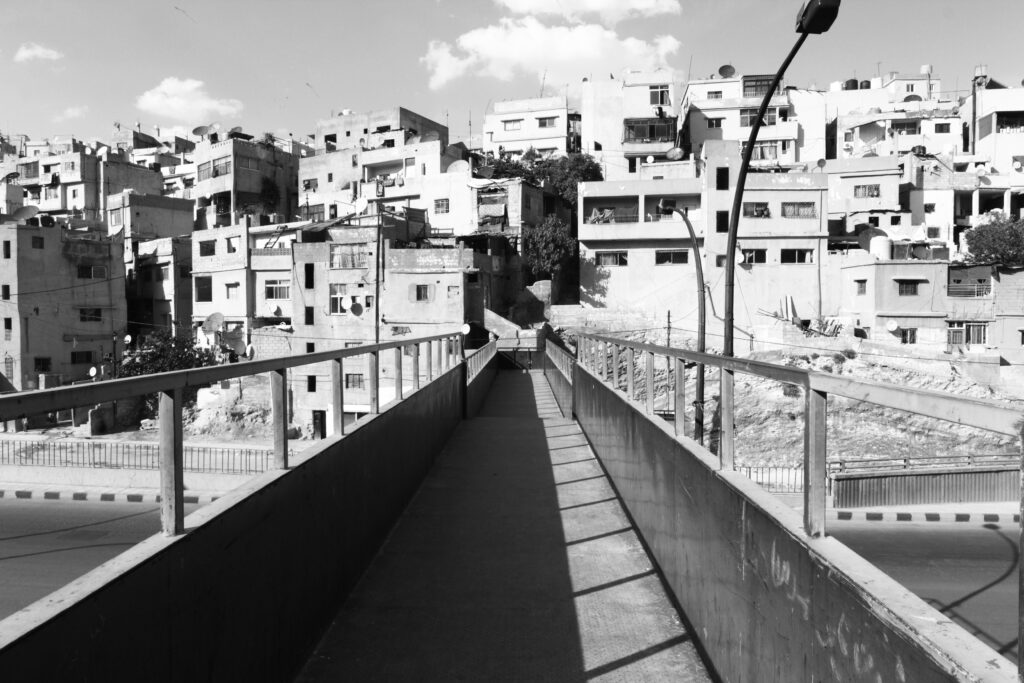
BEFORE I FORMALLY BECAME an anthropologist, my mom and I lived in the Hashmi Shmali neighborhood in Amman, Jordan, in 2009, working as medical resettlement advocates for recently displaced Iraqi refugees fleeing war. We formed lifelong friendships with families, many of whom eventually moved to Germany, Canada, Australia, and the U.S. Others could never leave because of requirements by receiving countries about educational degrees, criminal records, or the health and mobility of family members.
Amid advocacy work, I also did undergraduate ethnographic research that eventually led to my dissertation. In later years, I returned to live in Amman for research in other parts of the city and as a hub for work in Iraq. I always visited friends who remained in Hashmi Shmali. These visits were personal but in keeping with my research commitment to what I call “ethnographic transhumance,” a form of rhythmic departure and return to and from a place over and over for one’s lifetime. This means leaving people and places often but always fulfilling the promise to return.
Ethnographic transhumance is rooted in pragmatic pulls upon diasporic, displaced, and bicultural people to multiple homelands. But it also reveals different insights than what might be depicted through more traditional fieldwork without return.
These snapshots of one Iraqi family in Hashmi Shmali shed light on how a traumatic event can affect an entire family line. It also shows how, over the years, people can be lost—not all at once and not always definitively. Over time, war’s thefts are many.
In 2003, the U.S. government launched an illegal preemptive war on Iraq based upon the now debunked claim that the 9/11 World Trade Center attack was connected to Iraqi dictator Saddam Hussein possessing a cache of “weapons of mass destruction.” In just two months of the invasion, the U.S. dropped more than 29,000 bombs. For over a decade, the U.S. continued both direct and indirect occupation, waging bloody battles and counterinsurgency campaigns, implementing divide-and-rule policies that induced sectarian division, imposing economic policies that led to the collapse of Iraq’s public sector, and practicing torture at Abu Ghraib prison complex and elsewhere. Hundreds of thousands of Iraq civilians were killed. War crimes committed by both the U.S. and militias resisting the U.S. included targeting of hospitals and electricity, the Nisour Square massacre, militia kidnappings and torture, and widespread looting of museums.
Iraq, “the cradle of civilization” rich with oil, gold, ancient universities, and cosmopolitan diversity, was plundered. In the vacuum left by a dismantled centralized government, militias targeted doctors and intellectuals, along with minorities like Mandeans, Turkomans, and Assyrians. Millions fled by land to Jordan and Syria.
By 2009, when my mom and I arrived in Jordan from the U.S., 1.8 million Iraqis had initiated what would become a global displacement of 37 million people by the War on Terror.
The Iraqi diaspora represents many iterations of displacement, including those who fled Saddam Hussein’s dictatorship and the 1980s Iran-Iraq War, and those who fled the 1990–1991 U.S.-led Gulf War and were able to escape a decade of subsequent sanctions (which killed 500,000 children by limiting food, inhalers, and other supplies).
But it was war and mass displacement in the 2000s that many mark a permanent transformation of Iraqi civil society, fundamentally transforming the culture, politics, and social geography of the homeland.
This piece offers snapshots of my relationship with one beleaguered family. It shows their slow-form losses over decades and generations. Irreparable loss is an undeniable part of refugee stories. This story is one of many haunted by opaque pasts, uncertain futures, and gradual erasure that demonstrate something of war’s society-altering force.
LOSING JENNA
2009
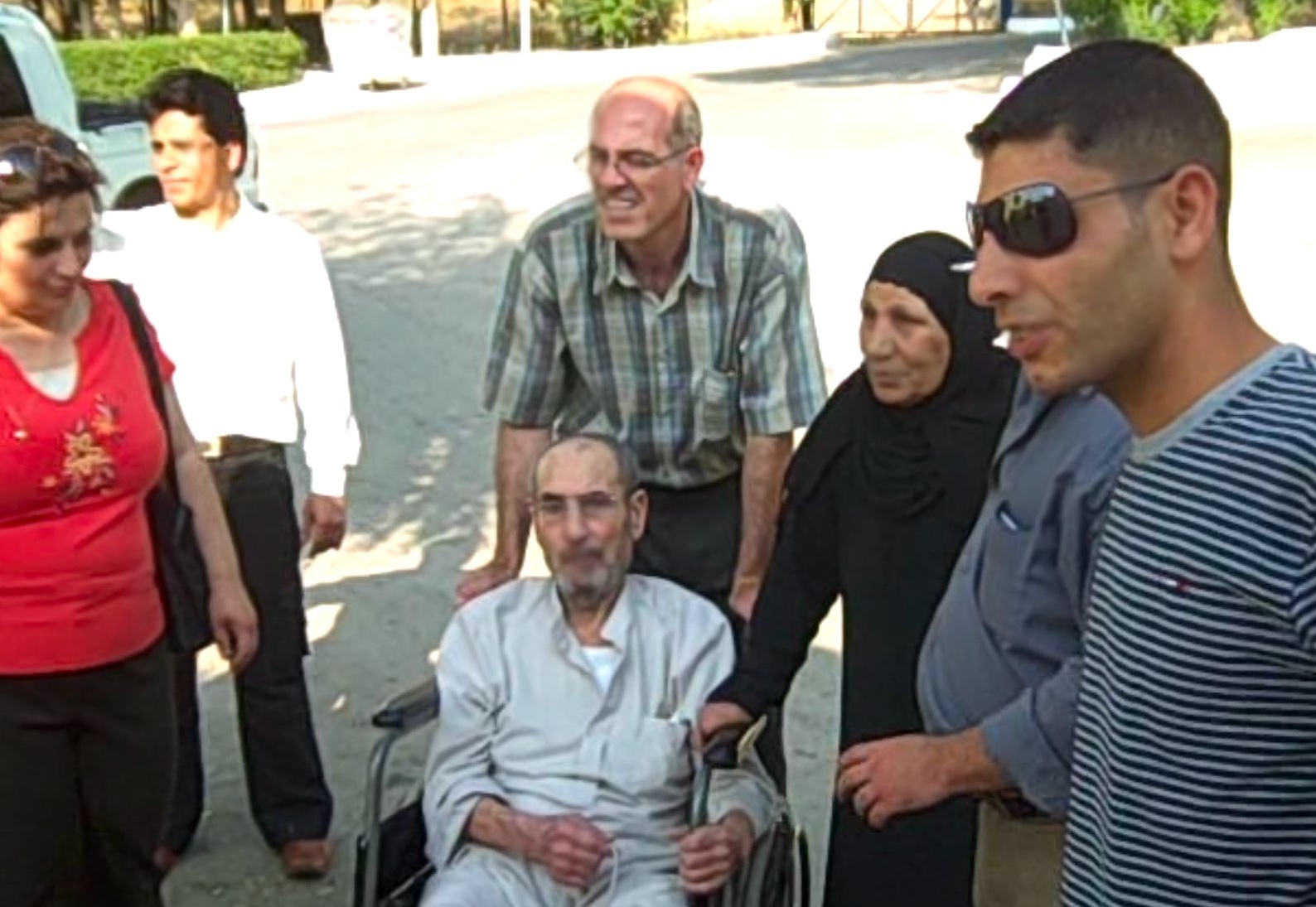
My mom and I enter a dark room where two sisters, Jenna and Aaliyah in their late 30s, sit near their elderly mother, Um Jenna. [1] [1] All names except the author’s have been changed to protect people’s privacy. They make us the most delicious tea I have ever tasted, sweet and yellow. They start to tell us a story of loss, one to which they are now remnants of a great, grand something—a civilization. Rather, seven civilizations. Here, in Hashmi Shmali, Amman, Jordan, thousands of Iraqi families have crossed as refugees.
Um Jenna shows me a photograph of herself when she was in her 20s. I stare into the proud, sepia face of a regal lady decked weightily in gold jewelry so thick and complex it formed a contiguous gold plate of feminine armor from the headdress to the waist and again around the ankles. Gold from head to toe. Piece by piece, she sold these heavy trinkets.
“From gold to bread,” she waves her hands up to Allah in a c’est la vie gesture. “What would I do?!”
The downfall started with the 2003 U.S. invasion of Iraq—the beginning of the end for millions.
“I was once a famous horse trainer” is how Jenna’s father, Bassam, introduces himself from a daze on the floor mat, where he lies with a catheter hanging in a somewhat undignified way from under his cotton thobe. “Now I am just an Iraqi refugee,” he adds. I had not noticed him before, but it was him we had come to see.
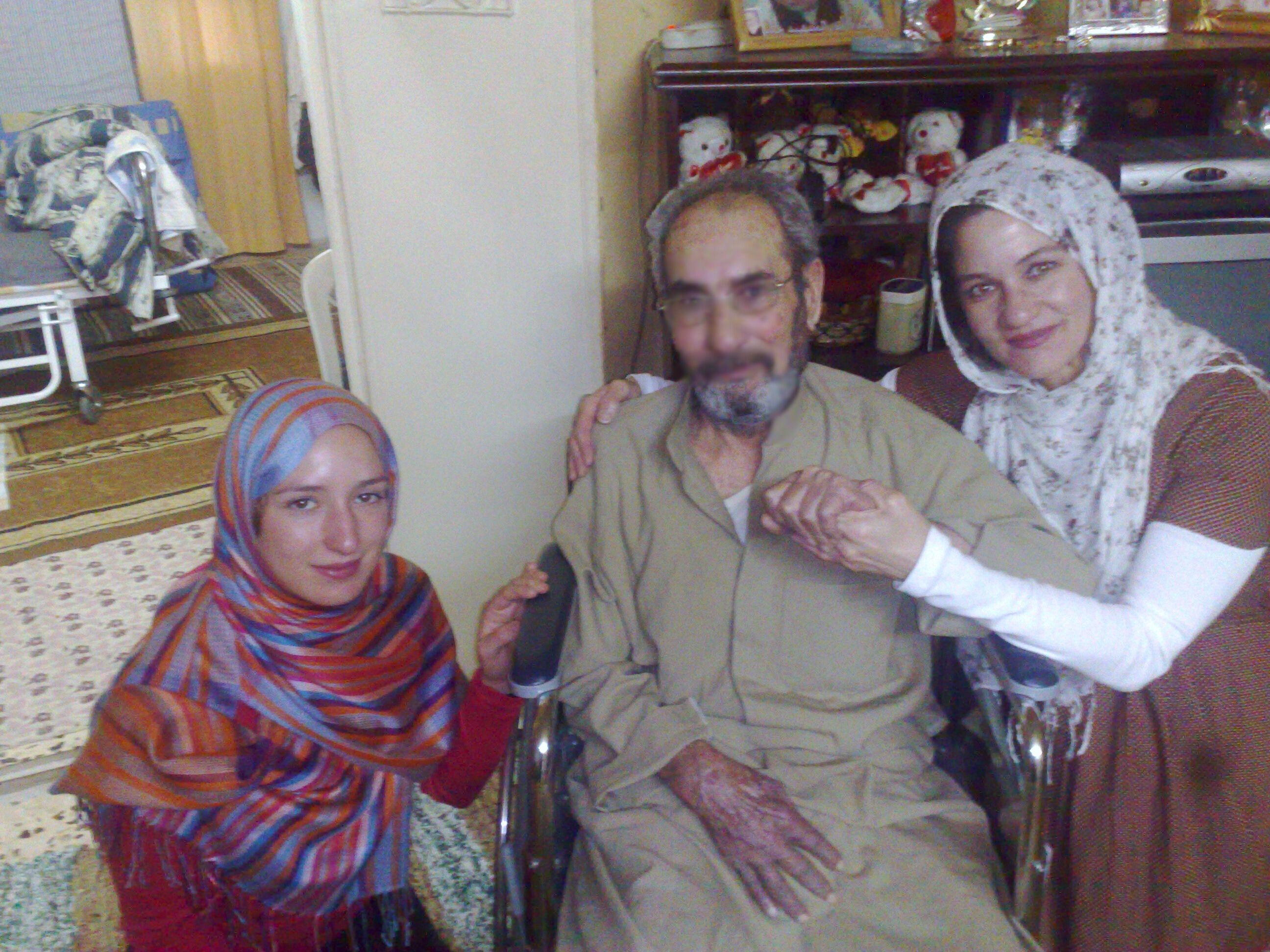
A week later, we return with our friend, a doctor who is also a refugee from Iraq. We install a reclining hospital bed and hoist the once-famous horse trainer into it. The doctor examines him. Bassam was perfectly healthy, until … until the day he heard the news that his oldest son was shot dead by the U.S. military. Or was it a bomb? His story was clouded by the disorientation of displacement and by uncertain information.
In shock from this news, Bassam, the then-still-famous horse trainer, retired from the stable and went home to sit and feel. One day not long after this, he turned on the television and saw, right there in the news, the scattered body of his second son. A car bomb. He fell backward to the floor and was never the same. “With two sons dead, I have just two daughters left. Thank God for my two lovely daughters,” he said to us.
From his prone, sunken body, Bassam mourns: “We lost so much. We had so much. We were heirs and heiresses to seven civilizations, to gold and museums, to beauty and gardens. Once, once upon a time, there were ten of us in the immediate family, and even more. We were a great tribe once. Now it is just the four of us, four remaining members of the family line.”
“It is all gone. Can we possibly lose any more?!”
Within the year, most of Bassam’s neighbors, his support network, will all be resettled. One family would go to Canada, another to Perth, and another to Germany. My mom and I will return to the U.S.
2011
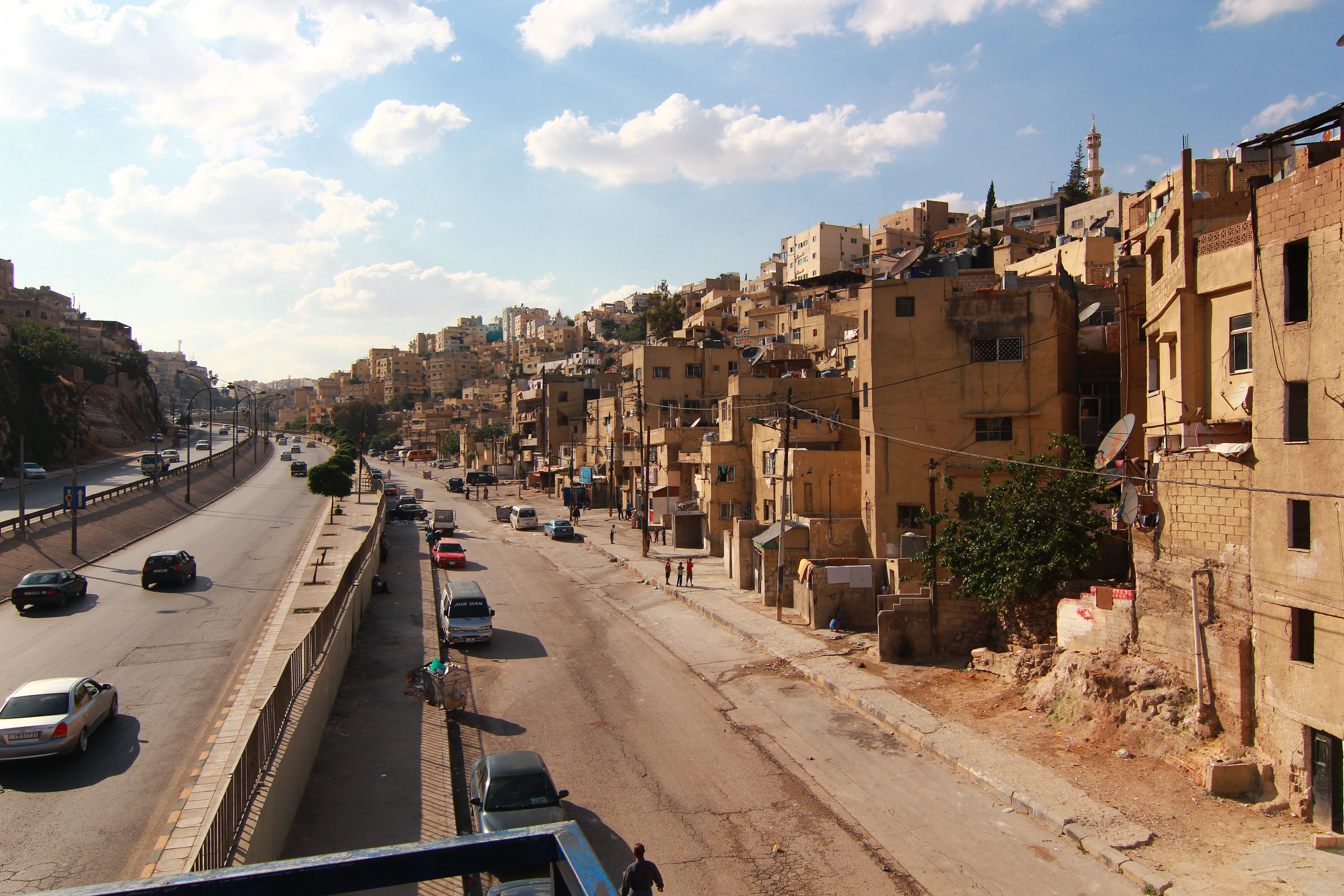
I arrive at the home of Jenna, Aaliyah, Um Jenna, and Bassam. They are not there. I leave a note and some sweets at the door. I ask after them in the apartment up the road, and a neighbor tells me, “Yes, yes, they moved. I don’t know where. They are gone from here. Bassam, the father, finally died. He succumbed to another stroke. It was time. He suffered greatly.”
I hear a rumor that cash assistance for the family from the United Nations High Commissioner for Refugees will soon dry up, and I wonder what they will do and where they have gone. I know I will find them somewhere nearby, still in Hashmi Shmali, next time I come.
2012
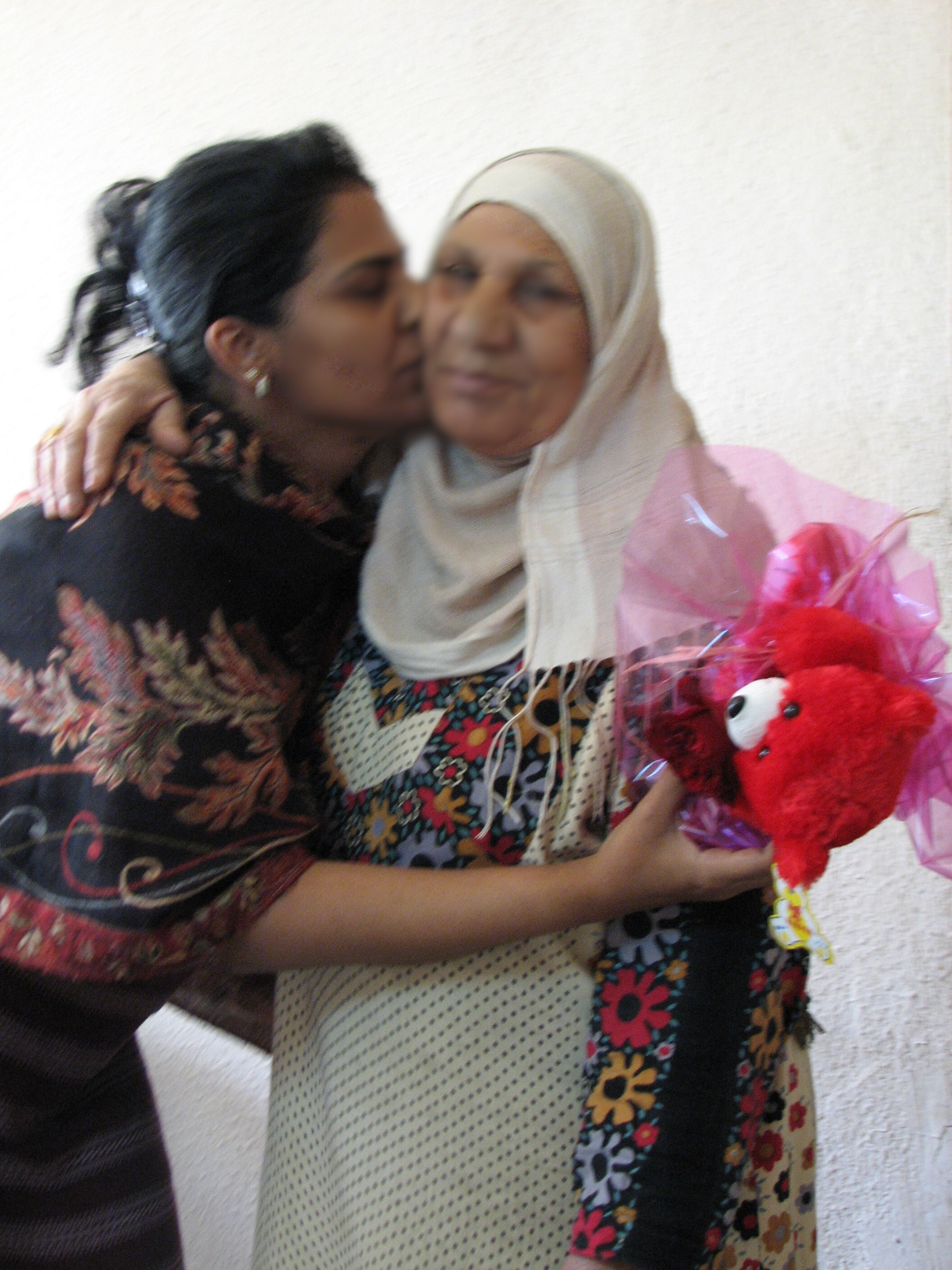
Jenna is a spitting image of her mother, Um Jenna. The last two in the family. I am glad I found them in their new flat, just three blocks away from where they once lived. A one-bedroom place is cheaper, and upstairs is safer.
Jenna is in her mid-40s, but she acts like a child. She has regal features and dark skin that clash with the playful, rhinestone butterfly that spreads its sparkly wings across the seat of her jeans. Nobody knows exactly why Jenna regressed, but she has acted this way ever since she was returned to her family after a militia kidnapping in Iraq in 2005. Her family paid the ransom. The night they got her back, they departed for the border. Her body reveals no visible signs of torture, which means nothing, of course.
Jenna’s face cracks and ripples with emotion. It never stops moving, contorting, gesturing some hidden, secret pain. Her mother begins weeping, and Jenna announces that just three months ago, her sister, her last living sibling, died: after her father’s death, she was simply so filled with pain there was nothing left to live for. The cracks and ripples in Jenna’s face break open, and water rushes down her cheeks. Mother and daughter hold hands and cry.
Then, suddenly, Jenna’s face closes, and she acts playful, leaving her mother alone in loss. Um Jenna is in her 80s now. I wonder what will become of Jenna when her mother dies. Women surviving without men, I can imagine. Women surviving without women, I cannot.
2013
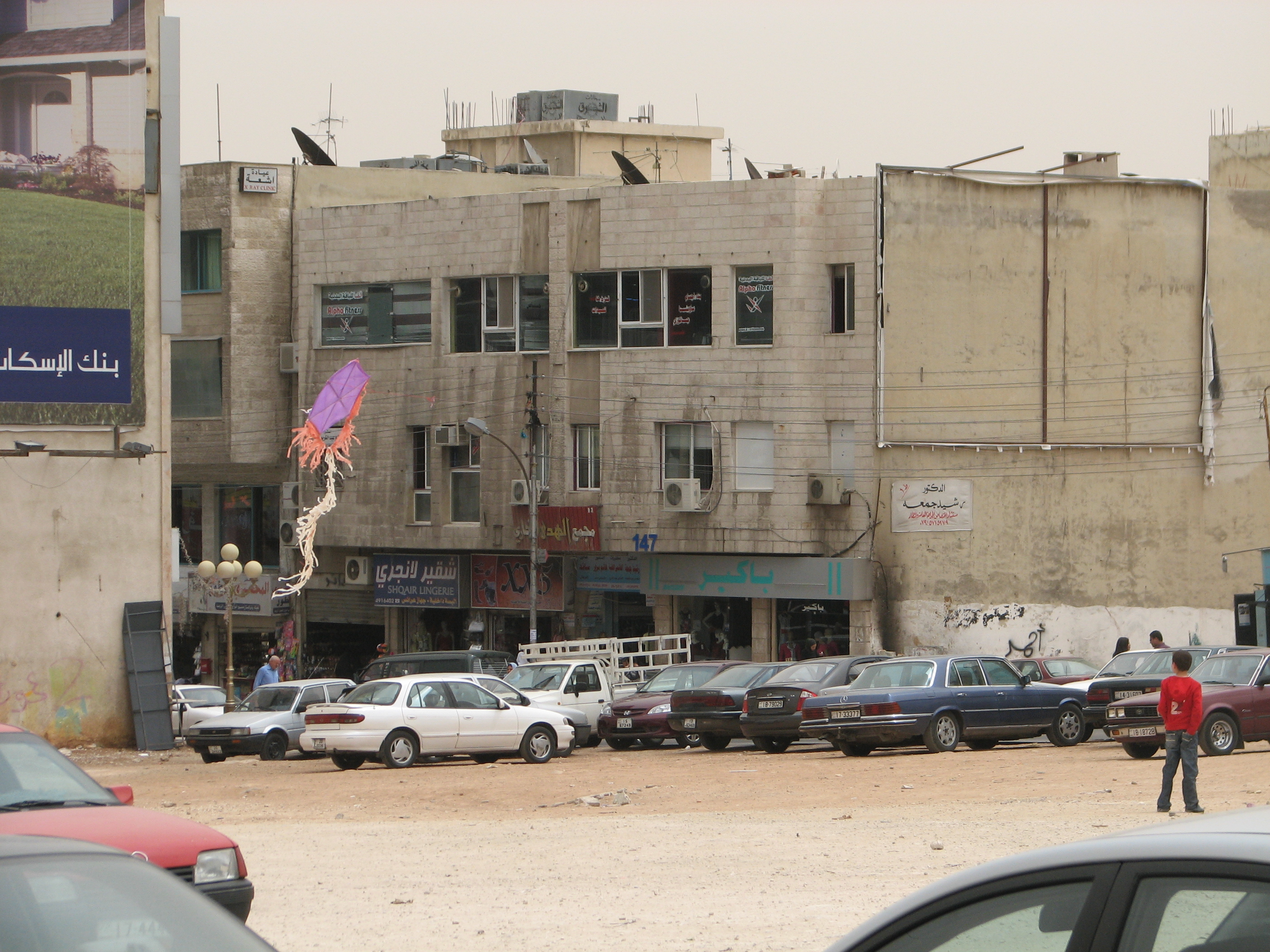
I arrive at Jenna’s building in Hashmi Shmali and find that she is now the only surviving member of her family. “Now there is just one Jenna,” she tells me. She is alone utterly, the last of their line. She has a job at a Jordanian nonprofit. It is unclear if she is on the paid staff, but she takes donated food home on Fridays.
“Next time you come back, buy a kite and we can fly it together,” she says, smiling.
But I fear there might be a tiny glimmer of suicide in the horizon of her sensibilities. Over the years I have known her, things have never seemed so lonely. I hope her job is enough to live on.
2015
I return to Jenna’s house in Hashmi Shmali, carrying a bright red kite and other gifts. Her old number is shut off and the door is locked, but a neighbor says there is a woman who lives alone here and that she is working at the nonprofit down the road. She should be home any minute.
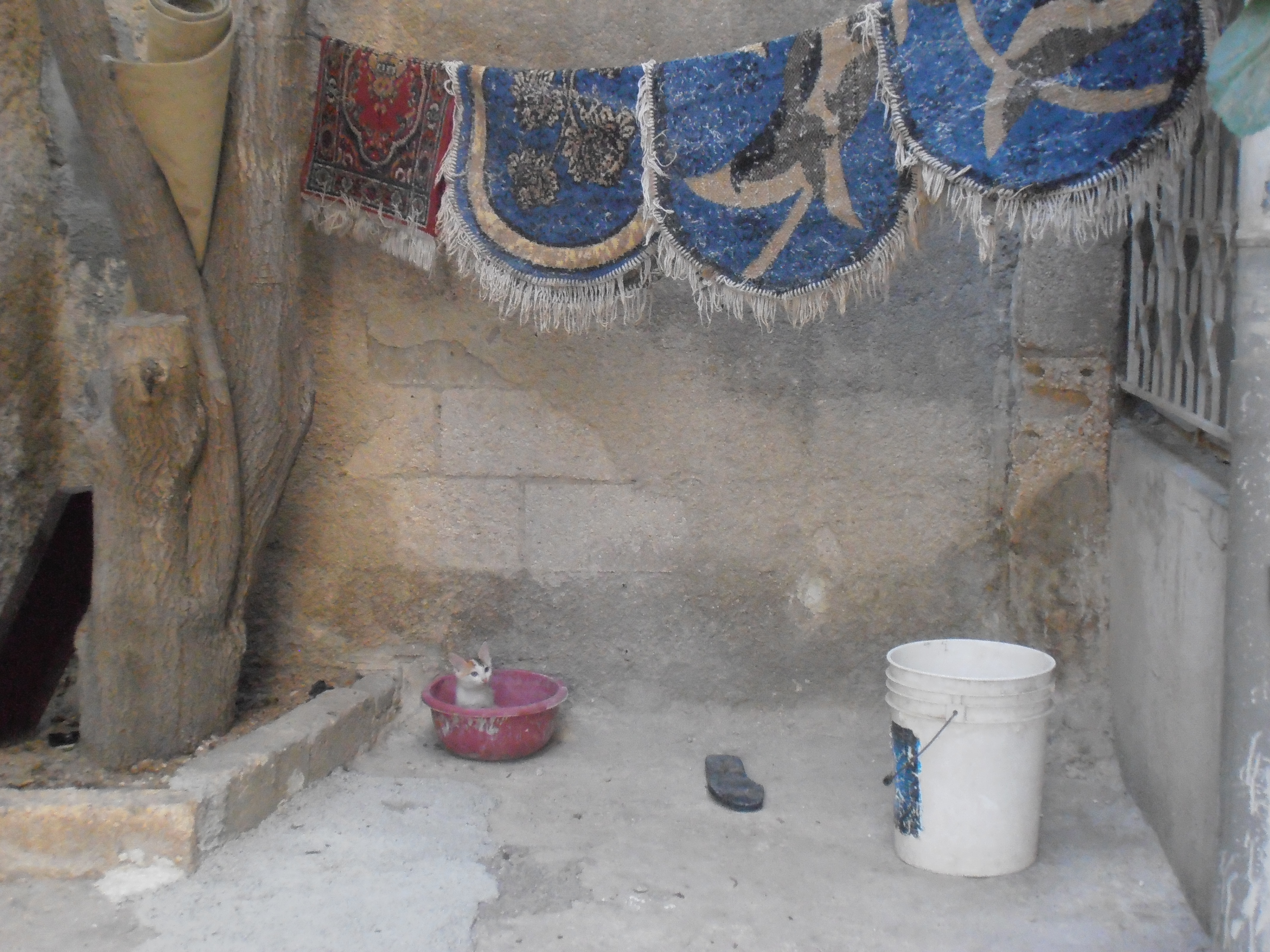
I wait at the door and play with some kittens on the corner. They keep climbing into a white bucket, getting stuck, and crying.
Jenna doesn’t come home, so I walk down the hill to the nonprofit and ask if she works there. The staff say she has left for the day. I am relieved to hear she is still employed there. I leave my gifts and a note explaining that I stopped by to see her on my long layover en route to Erbil.
2021
Hashmi Shmali has been built up so much that I struggle to find Jenna’s old building. Is it here? I can’t be sure. The nonprofit where she worked relocated. I knock on the door that used to be Jenna’s, and a young woman with many children answers. She doesn’t know who lived here before. On the street, I ask around about Jenna, describing an Iraqi woman, now in her 50s, who lives alone. But no one knows of her.
I have lost Jenna, heiress of seven civilizations and last of her line.
Her father’s words from 2009 float through my mind: “It is all gone. Can we possibly lose any more?”
Kali Rubaii is a cultural anthropologist whose work focuses on displacement, health justice, and the environmental impacts of the War on Terror in Iraq. She received her Ph.D. from the University of California, Santa Cruz, and is currently an assistant professor at Purdue University.
