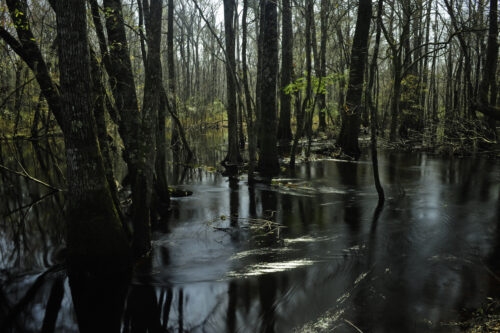
The Woods Lament For Me
Poet-anthropologist Jason Vasser-Elong revitalizes stories of interwoven lineages of his African-descent ancestors and those who were Native American.

Indigenizing What It Means to be Human
SAPIENS offers a curated collection of poems and stories that center Indigenous values, worldviews, and insights, creatively reimagining anthropology and the human experience.
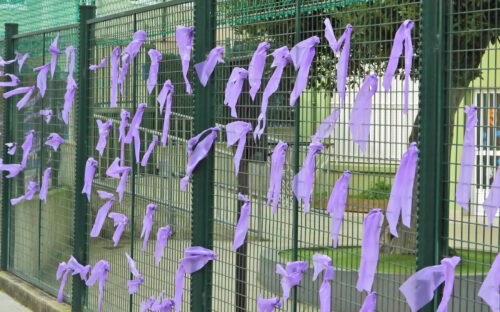
Purple in Cycles
A poet-anthropologist speaks to the labyrinthine experiences of domestic violence—the entrapment, the hope for freedom.
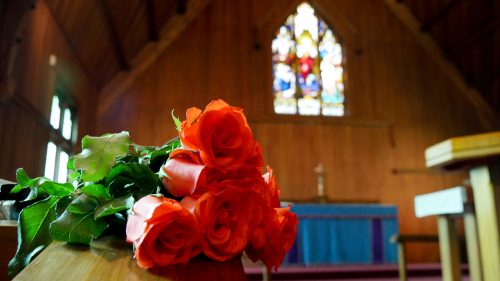
We All Love Roses
SAPIENS Poet-in-Residence Jason Vasser-Elong reflects on horrific cycles of violence—and highlights injustices that are often papered over.

Maize and Okra
A poet-anthropologist recollects when Muscogee (Creek) people offered his formerly enslaved ancestors refuge, extending the bonds of kinship.

Hard Water
A poet-anthropologist honors World Poetry Day with a piece that imagines alchemizing the suffering and devastation of Russia’s war on Ukraine.
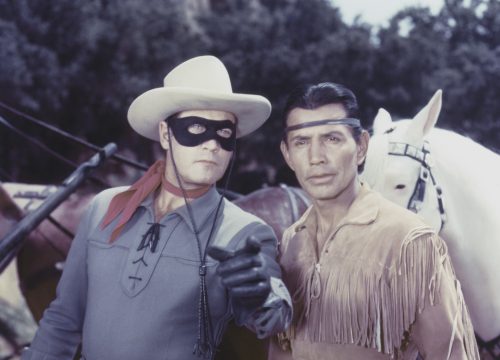
“Cowboys and Indians”—When Dirt Rocks Are Dynamite
A poet-anthropologist remembers how a popular childhood game reinforced notions of othering and hate—and reflects on how child’s play can set the stage for how we behave as adults.
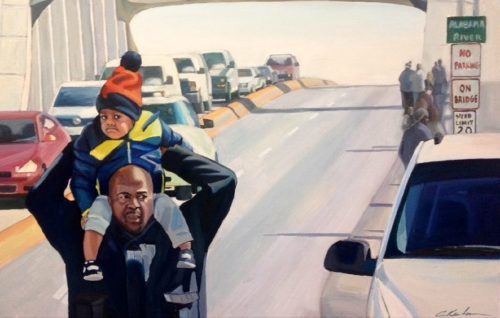
Lessons We Learn
An anthropologist-poet of the African diaspora holds close family lessons on identity, freedom, and relationship in the midst of an anti-Black society.
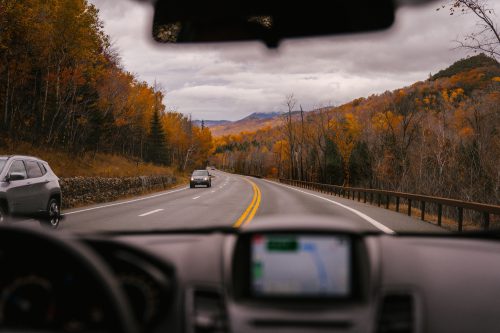
Window
A poet-anthropologist of the African diaspora gives voice to the power of collective memory and place.
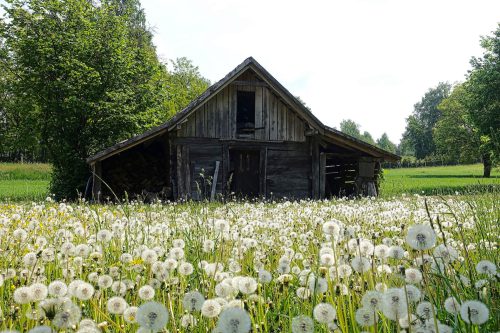
Elder
A poet-anthropologist of the African diaspora travels from a northern city to his ancestral home in the rural U.S. South—both as a memory and a belonging.
