












In Human Origins Research, Communities Are the Missing Link
IN THE BEGINNING
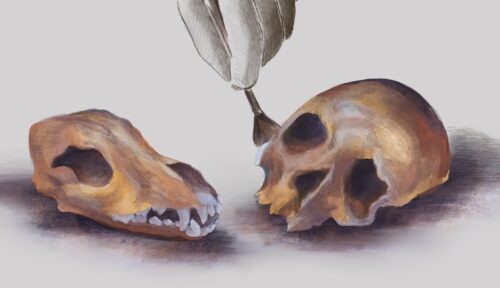
In 1887, Eugene Dubois, a Dutch anatomist, embarked to what is now Indonesia, determined to find the “missing link”—fossils that would provide hard evidence of humanity’s evolutionary ties to other species.
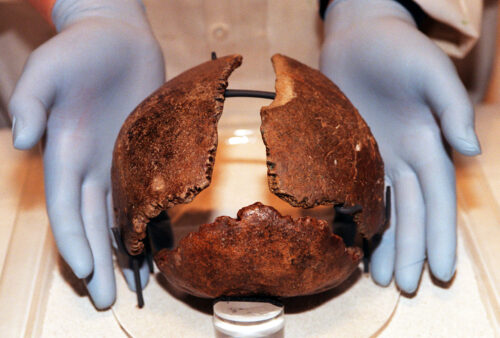
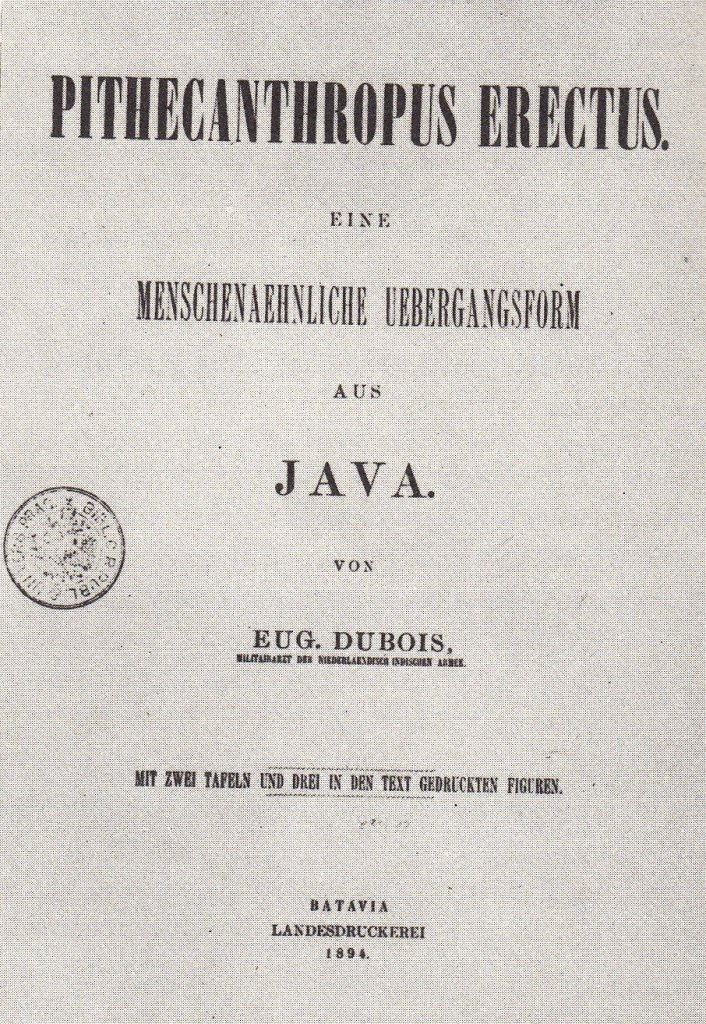
In the usual sense, Dubois succeeded: In 1894, he reported a fossilized thigh bone that looked entirely human, together with a skull top that appeared somewhere between human and ape. He named it Pithecanthropus erectus, or “upright ape-human.” Today scholars view Dubois’ fossils as belonging to Homo erectus, the first human ancestor to spread from Africa, generation after generation, to far corners of Asia and Europe.
Dubois also established a less tangible legacy: elevating the prestige of individuals who publicize new fossils, while the vast teams that make these discoveries possible remain invisible. Although paleoanthropological sites are often far from economic centers, they are alive with communities. And the people who live around these sites are not extras in the story of “discovery”—they are major characters who deserve their place in the spotlight.
As a paleoanthropologist, I have come to realize that living human communities are as crucial to my work as the ancient ones. For human origins research to continue, and irreplaceable sites to be sustainably preserved, the people near paleoanthropological sites need to be supported.
Community-led conservation is emerging as one of the most sustainable ways to protect nature, and I argue the same applies to human heritage. Crucially, this support must be in a form that people in these communities actually want, not what outsiders think they should want.
Unfortunately, ideological funding cuts by the Trump administration in the U.S. threaten community-centered research in nearly every conceivable way: Research grants awarded through the National Endowment for the Humanities and the National Science Foundation have been rescinded and mired in legal battles. In response, institutions of higher education that organize most expeditions are tightening their budgets, and the dismantling of USAID removes support that allows communities to set aside hunger and make space for cultural conservation.
It seems the decades-long crawl toward more equitable relationships between scientists and local communities has reversed course. To understand what’s at stake, we can look to the early days of paleoanthropology.
ORIGIN STORIES
Nearly 140 years ago, Dubois undertook an incredible journey in the service of science. He was the first scholar to actively search for fossils showing continuity between humans and earlier species of apes—a move that drew ridicule and condemnation from his peers. Following Charles Darwin’s reasoning that these specimens would be in the tropics of Asia or Africa, where living apes resided, he set his quest on the Southeast Asian islands of Sumatra and Java, which were then Dutch colonies.
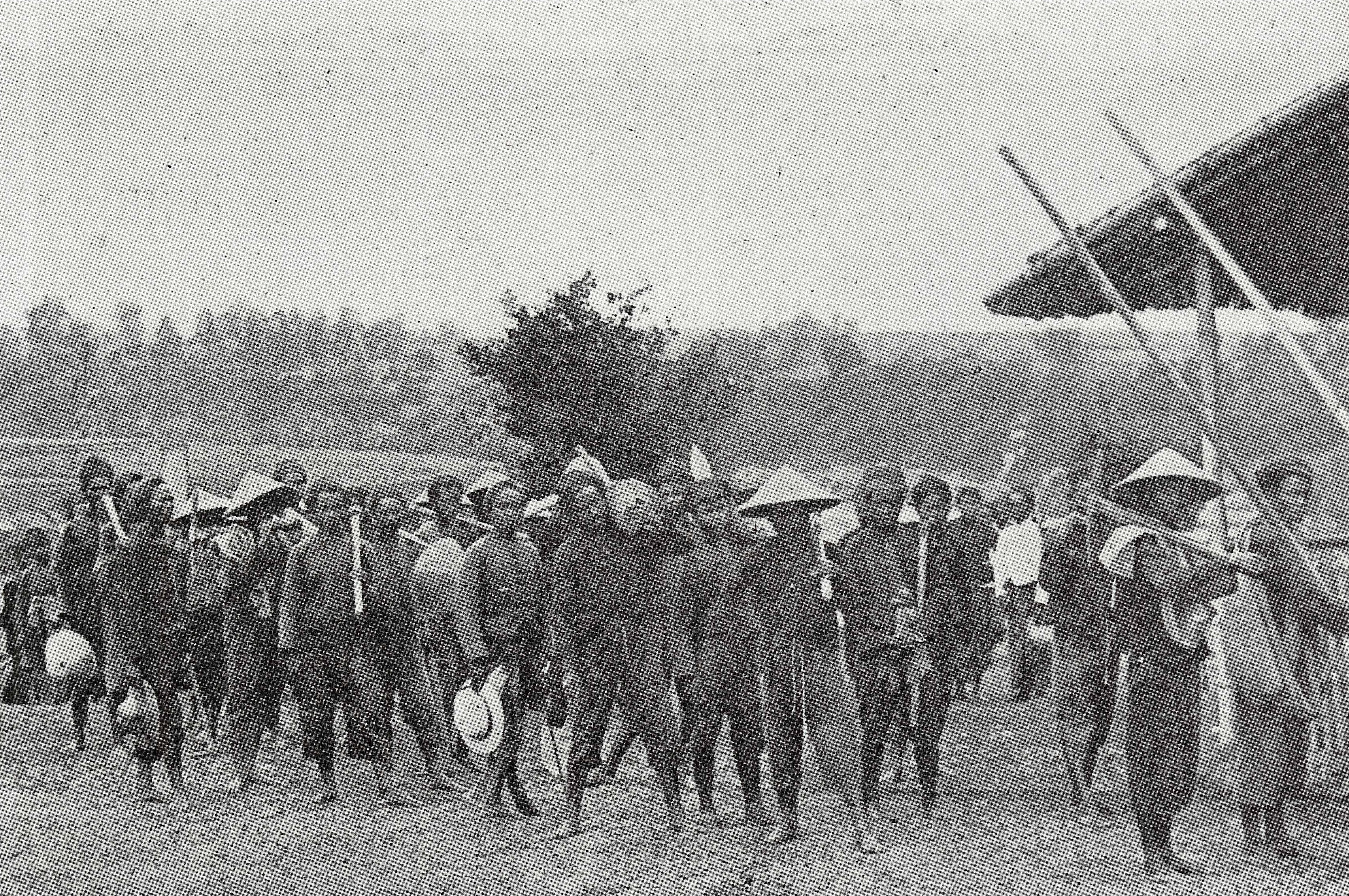
Although his personal hardships were many, he also deployed teams of enforced laborers. They scoured rugged mountains and dug trenches in thick sediment stacks at river bends. Written accounts and correspondence by Europeans involved in these efforts tick off the comings and goings of their crew like inventory: how many missed work because of illness, how many simply left, how many died.
Today the brutality of early field expeditions has eased, but people from local communities still do not often see long-term benefits from research on some of the world’s most important fossil sites. Students and volunteers—usually unpaid and traveling from abroad—carry out much of the research labor.
I am a part of the wave of researchers from the so-called Global North that has spread into formerly colonized places, seeking our academic fortunes. Born and educated in a white, middle-class U.S. family, I saw myself as a part of an “explorer narrative” that valorizes a small number of knowledge-seekers over the real human complexities of scientific fieldwork, which depends on many often-uncredited laborers.
As an undergraduate in the late 1990s, I watched documentaries of lone researchers, sunburned and semi-shaven, as they plucked fossils from barren landscapes or explored deep caverns. I sat in awe of the revelations they could coax from encrusted lumps of the past and fantasized that someday I, too, could have that sort of influence on the human story.
As a graduate student, I visited the famous fossil-rich area of Oldupai (Olduvai) Gorge in Tanzania. There, in 1931, Louis Leakey began research before becoming patriarch to three generations of major paleoanthropological figures. But over a century of fossil-hunting activities, the goals of the research teams and the needs of local Maasai communities remain unaligned. Maasai livelihoods are vested in pasture and water for their livestock, while site discovery and conservation are the goals for paleoanthropologists. These do not have to be in opposition.
Mary Leakey, matriarch of the Leakey legacy, is usually credited with the discovery of human ancestor footprints at the site of Laetoli in Tanzania, which dates to more than 3.5 million years ago. Now, about 40 years after her reporting of the prints, some scientists have realized the potential conservation merits in asking the local Maasai communities what they think of the footprints.
It turns out that these fossils have long been known and incorporated into Oral Histories of Lakalanga, a strong hero, large enough to mark the earth with his feet. By setting aside the idea that there is only one “truth” to why this site matters, more parties become invested. The study and conservation of important paleoanthropological sites does not have to rely only on imported values in exchange for exported knowledge.
PAST MEETS PRESENT
When I began leading my own field research as a newly minted Ph.D., I had big questions about the origins of humanity—but little experience with the humanity living around paleoanthropology sites.
I stood at a site in Malawi called Mwanganda’s Village that was excavated by J. Desmond Clark in the 1960s. One of my undergraduate professors had called Clark the “father of African prehistory,” and having finished my doctorate under one of Clark’s own students, I was now a part of his academic pedigree.
Community-led conservation is the most sustainable way to ensure heritage endures for future generations.
An older man in the area remembered working on Clark’s crew. He was unclear about the research objectives but enthusiastically recalled the distribution of cigarettes and soap. At that point, I was accustomed to the current, prevailing model of invisible labor: Unpaid university students who dig for kicks, experience, and sometimes course credit. I was unsettled by the idea that Clark’s former crew did the same work in exchange for basic goods.
As dusk descended one evening, I brought some geologists to examine the excavation pit my students had dug over the past three weeks. The setting sun flashed off the metal roof of a mudbrick house and colored everything the same deep orange: earth, sky, a scrawny cow, some scrawny scientists.
“So what have you found?” asked one of the geologists.
“Stone tools,” I replied. “But not many yet. The students worked really slowly.” It was a common issue with people just learning archaeology, to be overly cautious. Plus, that ground was hard.
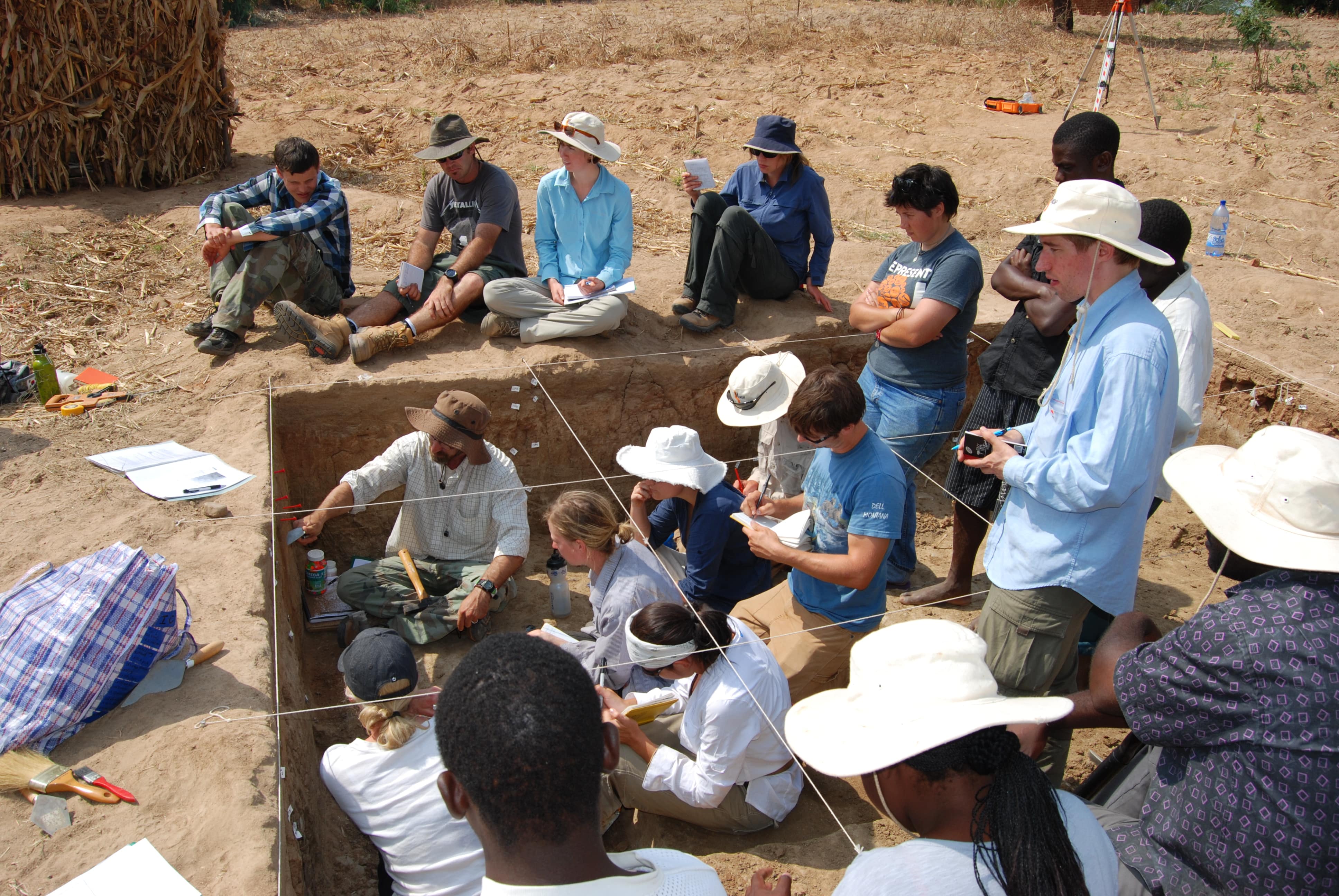
The students had managed to excavate a total of 2.5 feet into a maize field of Mr. Kumwenda, a local resident who permitted us to dig on his land.
“You need to hire local workers,” another geologist suggested. “Farmers who are used to this kind of work.”
Justifications and objections to those justifications sparred in my head. Many people had approached us during the field school asking for jobs. But I had been wary of inadvertently setting up a dichotomy in which local people performed heavier tasks, while minimally experienced students fell into overseer roles with their data collectors, cameras, and notebooks.
The idea of hiring people without any archaeological background also hit on something strange and buried in me. It was a privilege to do archaeology. It took specialized training. You made sacrifices to do it for the love of it. How could I encourage participation from people who were just in it for wages?
But I was literally standing in their backyards. Local people desired to be involved in the project. I was impeding their access based on my elitist ideas about how not to be elitist.
As I ruminated, a cow rattled impatiently at the end of its tether.
The next day, I hired 10 people, starting with Mr. Kumwenda’s son.
MANY WAYS TO CARE
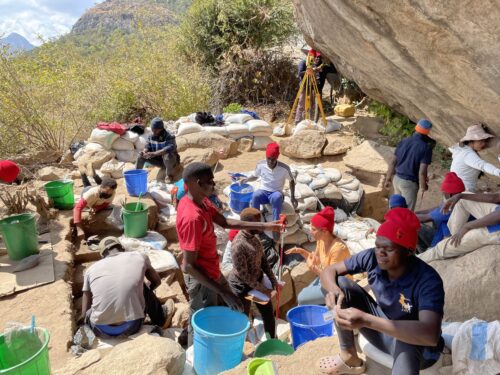
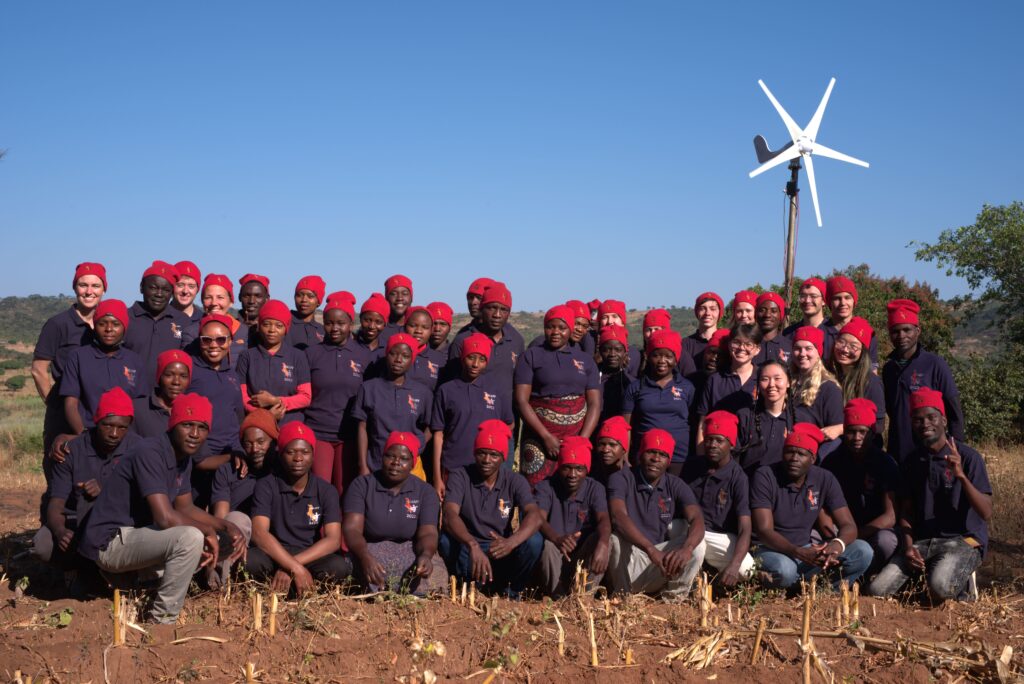
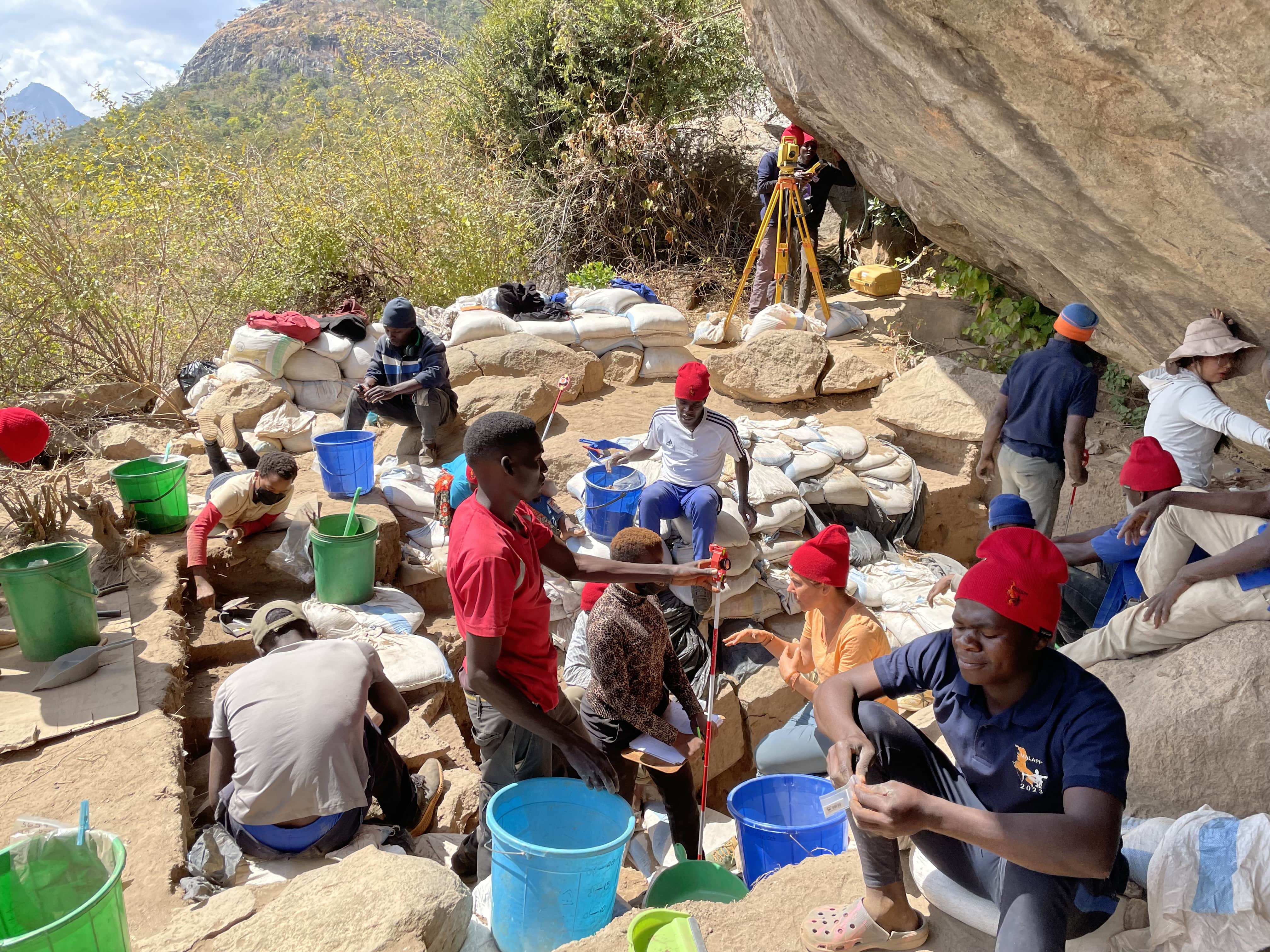
After 15 years of research in Malawi, our community crew has grown to more than 50 people. They have worked as both learners and teachers alongside students and professionals from more than 15 nations. They are ambassadors to the broader community through workshops, schools, and site visits. Some have used the experience in related jobs or higher degrees.
Still, field science is extractive. Knowledge is mined, exported, and used in transactions that benefit people far from its place of origin. Even bringing materials from northern Malawi (where we dig) to the Malawi National Repository, nearly 300 miles away, disconnects the community from heritage found where they live.
In 2024, I organized a workshop for community members and leaders to visit the repository collections, aid with curation, and discuss issues with government representatives and academics. It was the first time anyone living around the sites had the chance to work with these remains after excavations.
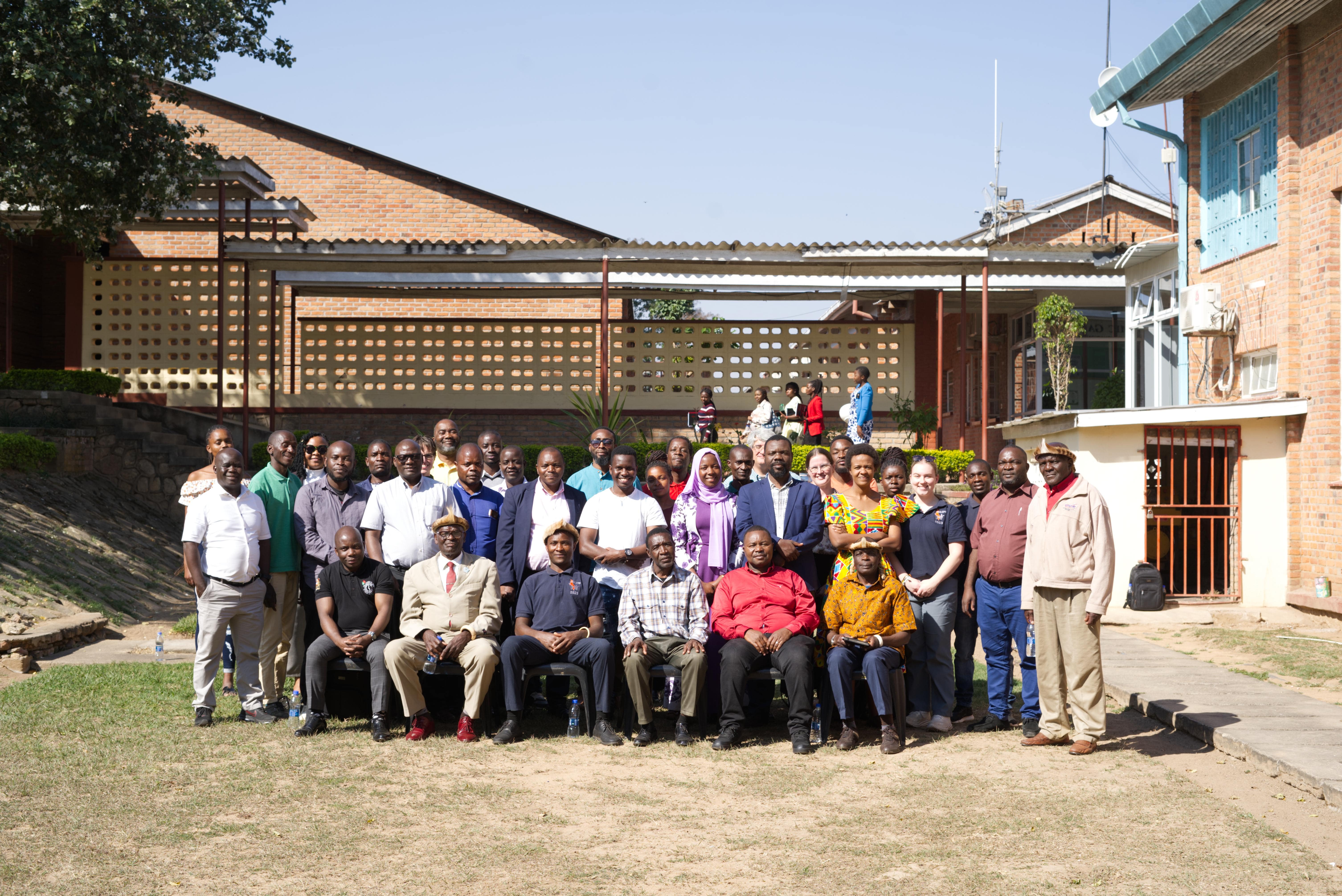
The workshop revealed my notions of our most exciting discoveries, such as some of the oldest ancient human DNA in Africa, were far more impactful internationally than locally. Although community members had broad interest in such scientific results, they were most eager to discuss potential economic benefits, such as tourism. They wanted to build a community museum. They hoped for more archaeology of the recent past, which was less abstract and more culturally relevant.
But how can we move beyond cigarettes and soap when there is barely enough grant money to do even the most basic minimum research?
Researchers, and the institutions and societies that back them, should consider the essential goals of field research. Long-term conservation and future discovery outweigh immediate extraction and reward. Investing in heritage areas in the ways that communities want becomes an essential cost of doing the science—not just a nice add-on. And as most of this research has been supported by grants from governments and nonprofits, it is essential that the public also hears this message: Tax dollars or donations aimed at science should also uplift surrounding or affected communities.
Unfortunately, the timing has never been worse for reframing these costs.
THE STRUGGLE FOR EXISTENCE
Scientific funding from the U.S. government is under scrutiny by nonscientist politicians who argue that research should not include components that promote “diversity, equity, and inclusion,” or “DEI.” At the same time, the Trump administration’s disassembly of USAID sends a clear signal that this government does not support investments in development of foreign communities.
Ideological attacks are at the root of these issues; my own National Science Foundation grant, which has the publicly stated aim to “develop well-dated cultural and environmental records from sites around and including where ancient DNA has been discovered” was placed on a national list of “woke DEI” under the category of “social justice.”
Beyond U.S. politics, lack of community awareness continues to result in casualties for cultural heritage. In early 2025, researchers published on the first well-documented human origins site from an ancient African rainforest. Mere months later, mining activity destroyed the site. Teams I work with have also arrived at sites just weeks after local residents, out of curiosity or economic necessity, irreparably damaged archaeological localities that had been preserved for thousands or even millions of years.
Local communities are right there, on the ground, in the best possible position to care for sites and specimens that are important to them. Community-led conservation is the most sustainable way to ensure heritage endures for future generations—and it does not impede research agendas because it’s baked into the best recipe for achieving scientific goals.

Jessica Thompson is an assistant professor of anthropology at Yale University and a paleoanthropologist/paleoarchaeologist who works primarily in Africa. She leads excavations in Malawi and has worked (or is working) on other archaeological projects in Ethiopia, Tanzania, Zambia, and South Africa. Thompson seeks to understand the interactions between humans and human ancestors and their environments in ancient Africa. Her primary approaches are archaeological field recovery and zooarchaeology, or the analysis of animal bones from archaeological sites.
